Nutrition
Anti-Inflammatory Foods for Joint Health, Arthritis, and Muscle Soreness
- By
- NHHA Editorial
- Published
- Reading time
- 9 min
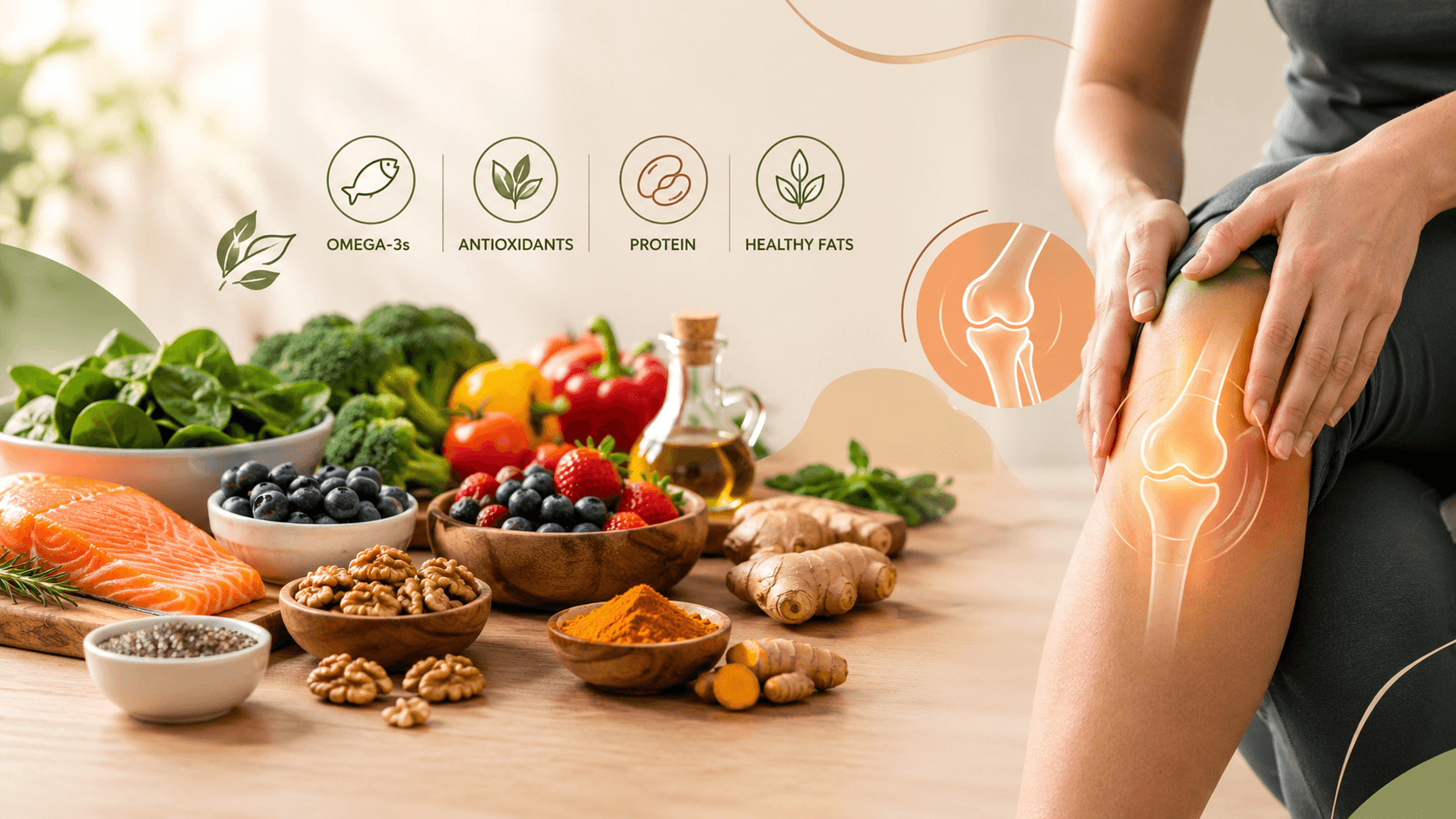
How omega-3s, polyphenols, and elimination protocols combat chronic tissue inflammation and joint degradation
Anti-Inflammatory Foods for Joint Health, Arthritis, and Muscle Soreness
Introduction: The Connection Between Food, Inflammation, and Recovery
Joint pain, muscle soreness, and stiffness can affect everyday activities, from walking and climbing stairs to exercising and performing routine tasks. While ageing, injuries, physical strain, and certain medical conditions can contribute to these problems, nutrition also plays an important role in supporting the body's natural recovery processes.
Inflammation is the body's natural response to injury or infection. However, persistent inflammation can contribute to tissue damage and is associated with conditions such as rheumatoid arthritis. In osteoarthritis, inflammation may also contribute to joint symptoms alongside changes in cartilage and other joint structures.
An anti-inflammatory dietary approach focuses on providing the body with essential nutrients through whole foods, healthy fats, fruits, vegetables, and adequate protein. Rather than relying on restrictive diets or miracle foods, the goal is to build sustainable eating habits that support joint function, muscle recovery, and overall health.
1. Understanding Inflammation and Its Impact on Joint Health
Inflammation is not always harmful. Acute inflammation helps the body respond to injuries and begin the healing process. The concern arises when inflammatory activity persists or becomes part of a chronic disease process.
Conditions such as rheumatoid arthritis involve an abnormal immune response that causes inflammation in the joints. Osteoarthritis, on the other hand, involves the gradual deterioration of joint tissues, with inflammation sometimes contributing to pain and stiffness.
Muscle soreness after unfamiliar or intense exercise is another common experience. Known as delayed-onset muscle soreness (DOMS), it typically develops after exercise and improves over several days as the body recovers.
Nutrition cannot eliminate every cause of inflammation, but a balanced diet can help provide the nutrients required for normal immune function, tissue maintenance, and recovery.
2. Omega-3 Fatty Acids: Supporting a Healthy Inflammatory Response
Omega-3 fatty acids are essential fats that play a role in regulating inflammatory processes in the body. Research suggests that omega-3 supplementation may help reduce some symptoms, particularly joint pain and morning stiffness, in certain people with rheumatoid arthritis. However, results vary, and omega-3s are not a replacement for prescribed treatment.
Foods to include:
- Fatty fish such as sardines, salmon, and mackerel.
- Flaxseeds and chia seeds.
- Walnuts.
- Soybeans and other suitable plant-based sources.
For people following a vegetarian Indian diet, ground flaxseeds, chia seeds, and walnuts can help increase omega-3 intake. Plant sources primarily provide ALA, which the body converts to EPA and DHA only in limited amounts.
Practical tip: Add ground flaxseeds to curd, oats, smoothies, or porridge. Small, consistent dietary changes are generally easier to maintain than complicated nutrition routines.
3. Colourful Fruits and Vegetables: A Natural Source of Antioxidants
Fruits and vegetables contain vitamins, minerals, fibre, and plant compounds that support normal immune function and help protect cells from oxidative stress.
Polyphenols and other bioactive compounds found in colourful plant foods are being studied for their potential role in managing inflammation. Although individual foods should not be considered treatments for arthritis, regularly eating a variety of fruits and vegetables can contribute to an overall healthy dietary pattern.
Consider including:
- Berries, such as strawberries and blueberries.
- Pomegranate.
- Oranges, guava, and amla.
- Spinach, methi, and other leafy greens.
- Tomatoes, carrots, and capsicum.
- Broccoli and other cruciferous vegetables.
Indian seasonal produce can make this approach affordable and practical. For example, guava, amla, tomatoes, and leafy greens can be incorporated into everyday meals without depending on expensive imported superfoods.
Practical tip: Aim to include different colours of vegetables and fruits throughout the day instead of relying on just one or two varieties.
4. Healthy Spices: Turmeric, Ginger, and Their Potential Benefits
Indian kitchens already contain several ingredients that are being studied for their potential health benefits. Turmeric contains curcumin, while ginger contains bioactive compounds that may influence inflammatory pathways.
Some studies suggest that turmeric or curcumin preparations may help improve osteoarthritis symptoms in certain individuals. However, the evidence varies in quality, and more research is needed to establish the most effective preparations and doses.
Ginger is also being investigated for its potential effects on pain and inflammation, but it should not be viewed as a standalone treatment.
Ways to include these ingredients:
- Add turmeric to dal, vegetables, and curries.
- Use fresh ginger in tea, soups, or cooked meals.
- Include garlic and a variety of herbs and spices for flavour.
Using these ingredients in regular cooking is a simple way to diversify meals. Concentrated supplements are different from normal culinary use and may interact with medicines, so professional advice is recommended before taking them.
5. Protein: An Essential Nutrient for Muscle Repair and Rehabilitation
Protein is particularly important for people recovering from exercise, injuries, or periods of reduced mobility. It provides amino acids that help maintain and repair body tissues and preserve muscle mass.
Inadequate protein intake can make it more difficult to meet recovery needs, especially in older adults, physically active individuals, and people undergoing rehabilitation.
Useful protein sources include:
- Dal, rajma, chana, and other legumes.
- Milk, curd, paneer, and other dairy foods.
- Soybeans, tofu, and tempeh.
- Eggs, fish, and lean meats, according to dietary preference.
- Nuts and seeds as additional sources.
Protein requirements differ according to age, activity level, health status, and recovery needs. People with kidney disease or other medical conditions may require individualised dietary guidance.
Practical tip: Include a protein-rich food in each main meal. For example, combine roti and vegetables with dal and curd, or include paneer, tofu, eggs, or another suitable protein source.
6. Foods and Dietary Patterns to Limit
No single food automatically causes chronic inflammation in every individual. However, a dietary pattern consistently high in highly processed foods and added sugars may make it harder to maintain a healthy weight and obtain adequate nutrients.
For people managing joint problems, useful dietary changes may include moderating:
- Sugary drinks and excessive added sugar.
- Packaged snacks that are high in salt, refined starches, or unhealthy fats.
- Frequent consumption of deep-fried foods.
- Processed meats and excessive amounts of red meat.
- Alcohol, particularly when it worsens symptoms or interacts with medication.
These foods do not necessarily need to be completely eliminated. The overall pattern, portion sizes, frequency, and nutritional balance matter more than labelling individual foods as universally harmful.
A Mediterranean-style dietary pattern, adapted to local food preferences, offers a useful example. It emphasises vegetables, fruits, legumes, whole grains, nuts, seeds, healthy oils, and appropriate protein sources.
7. Do Elimination Diets Help With Joint Pain?
Elimination diets involve temporarily removing specific foods and then reintroducing them systematically to investigate possible food-related symptoms.
Although some people may have genuine food allergies, intolerances, or individual symptom triggers, there is insufficient evidence to recommend broad elimination diets for everyone with arthritis or muscle soreness.
Unnecessary restrictions can reduce dietary variety and may lead to inadequate intake of protein, calcium, fibre, or other important nutrients.
If a person suspects that a particular food consistently triggers symptoms, a registered dietitian or qualified healthcare professional can help assess the pattern and determine whether a structured trial is appropriate. Suspected allergies require appropriate medical evaluation.
The key principle: Personalise dietary changes according to the person's medical history, symptoms, nutritional requirements, and response rather than following unverified food restrictions.
8. Hydration and Recovery: An Often-Overlooked Factor
Water supports normal circulation, temperature regulation, and many processes involved in physical activity and recovery. Dehydration can negatively affect exercise performance and contribute to fatigue.
Fluid requirements vary depending on climate, activity level, body size, and health conditions. People exercising in hot weather or sweating heavily may need additional fluids and, in some circumstances, electrolytes.
Alongside hydration, adequate sleep, progressive exercise, and appropriate rest are important for muscle recovery. Nutrition works best as part of this broader recovery approach rather than as an isolated solution.
9. A Practical Indian Anti-Inflammatory Meal Approach
An anti-inflammatory eating pattern does not require expensive ingredients or a completely different kitchen routine. Familiar Indian foods can provide a useful foundation.
Breakfast: Vegetable poha with peanuts, or oats with milk, nuts, and fruit.
Mid-morning: Guava, orange, amla, or another seasonal fruit.
Lunch: Roti or brown rice, dal or rajma, a serving of vegetables, and curd if suitable.
Evening snack: A small portion of walnuts or other nuts, roasted chana, or fruit.
Dinner: Vegetable khichdi with curd, or roti with cooked vegetables and a protein-rich dish such as dal, paneer, tofu, eggs, or fish.
Hydration: Drink water regularly throughout the day and adjust intake to activity, climate, and medical advice.
This is an illustrative meal pattern, not a prescribed diet. Portions and food choices should be adapted to individual energy needs, allergies, cultural preferences, medical conditions, and treatment goals.
10. Combining Nutrition With Physiotherapy and Rehabilitation
Dietary support can complement physiotherapy, but it cannot replace appropriate rehabilitation or medical treatment.
For people recovering from injuries or managing joint conditions, a coordinated approach may include:
- Individualized nutrition: Meeting energy, protein, and micronutrient requirements.
- Appropriate physical activity: Following an exercise plan suited to the condition and stage of recovery.
- Weight management when appropriate: Reducing excess body weight may help lessen mechanical stress on weight-bearing joints.
- Adequate rest and sleep: Supporting recovery and day-to-day function.
- Medical follow-up: Monitoring symptoms and adjusting treatment when necessary.
Persistent joint swelling, severe pain, unexplained symptoms, or a suddenly hot and swollen joint require medical assessment. A new hot, swollen joint accompanied by fever warrants urgent evaluation.
Nutrition and rehabilitation professionals can work together to help individuals develop realistic, evidence-informed strategies suited to their needs.
Conclusion: Make Nutrition Part of Your Recovery Strategy
Anti-inflammatory nutrition is not about finding one miracle ingredient or eliminating every food that has been labelled unhealthy. It is about building a consistent dietary pattern that supplies essential nutrients, supports muscle maintenance, and contributes to overall health.
Omega-3-rich foods, colourful fruits and vegetables, legumes, adequate protein, whole grains, and healthy fats can form the foundation of this approach. At the same time, managing joint conditions and muscle soreness may require medical care, physiotherapy, appropriate exercise, and individualized nutrition support.
The most effective approach is one that considers the whole person, including their health history, daily routine, food preferences, and recovery goals.
At NHHA, developing a deeper understanding of nutrition science can help aspiring nutrition professionals learn how dietary strategies fit into broader health and rehabilitation practices.
Better nutrition. Smarter recovery. Sustainable health.
Enroll now and book your seats now
Filed under
- Anti inflammatory foods
- joint pain diet
- arthritis care
- physio recovery