Nutrition
Client Retention Accelerators: Adding Custom Meal Plans to Personal Coaching
- By
- NHHA Editorial
- Published
- Reading time
- 11 min
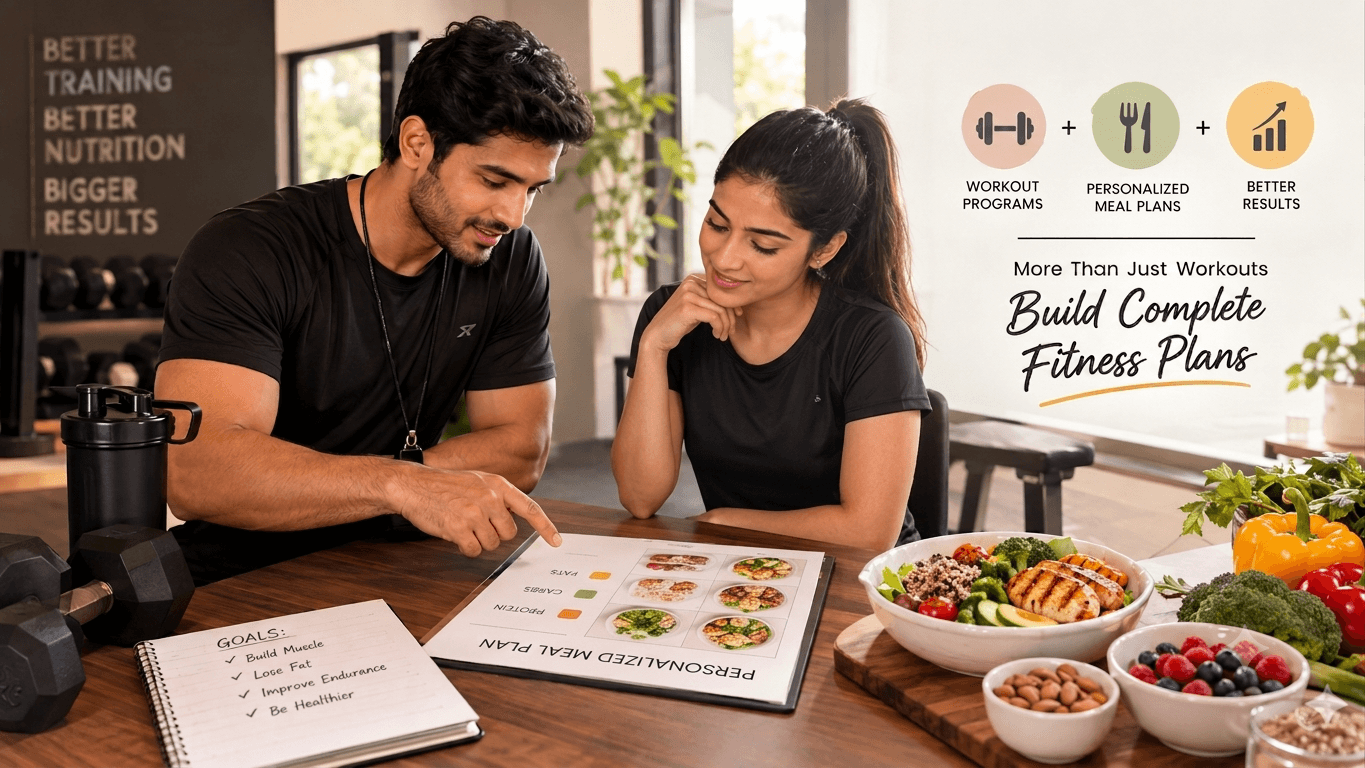
Discover how gym trainers, coaches, and creators scale workout packages by adding personalized diet charts and macro coaching.
Client Retention Accelerators: Adding Custom Meal Plans to Personal Coaching
Elevate Your Skill Set Beyond Standard Workout Routines
In today’s competitive fitness industry, clients expect more than workout routines and gym sessions. They want personalized guidance, measurable progress, consistent motivation, and a fitness plan that fits their lifestyle. Whether you are a gym trainer, personal coach, fitness influencer, or online fitness entrepreneur, offering additional value beyond exercise programming can help you stand out and build long-term client relationships.
One effective way to strengthen your coaching services is by integrating personalized meal planning and basic nutrition guidance into your fitness packages. When exercise and nutrition work together, clients can follow a more structured approach to their fitness goals while receiving support that extends beyond the gym floor.
Why Client Retention Matters in the Fitness Industry
Attracting new clients is important, but retaining existing clients is equally valuable for building a sustainable fitness business. When clients feel supported, understand their progress, and receive guidance tailored to their needs, they may be more motivated to continue their coaching journey.
Many clients struggle to maintain consistency because they are unsure what to eat, how much protein they need, or how to balance their meals with their workout schedules. Others follow exercise programs but find it difficult to establish sustainable eating habits. These challenges can affect their overall experience and confidence in their routine.
As a fitness professional, you can address these gaps by offering a more comprehensive coaching experience. Alongside workout schedules, you can help clients understand the importance of balanced nutrition, appropriate energy intake, protein-rich foods, hydration, and recovery.
The goal is not simply to provide more services. It is to make your coaching more useful, personalized, and practical for everyday life.
1. Combine Workout Programming With Personalized Nutrition Guidance
A well-designed workout routine is only one part of a client's fitness journey. Nutrition supports training performance, recovery, and the body's ability to adapt to exercise. When clients understand how their eating habits relate to their training goals, they can make more informed decisions.
For example, a client focused on muscle development may benefit from a balanced eating pattern that provides sufficient energy and protein. Someone working toward improved cardiovascular fitness may need guidance on meal timing, hydration, and maintaining adequate energy throughout the day. A client aiming to manage body weight may benefit from understanding portion sizes, overall calorie intake, and sustainable food choices.
Fitness professionals can make their coaching more valuable by helping clients connect these nutritional principles with their exercise routines.
A personalized approach may consider:
- Fitness goals: Muscle development, improved endurance, general fitness, or body-weight management.
- Training schedules: Workout frequency, session intensity, rest days, and recovery requirements.
- Food preferences: Familiar foods, vegetarian or non-vegetarian choices, cultural eating habits, and practical meal options.
- Lifestyle factors: Work schedules, sleep patterns, meal preparation time, and daily activity levels.
- Progress and consistency: Changes in performance, energy, recovery, and the client's ability to follow the plan.
Personalization should focus on realistic habits rather than unnecessarily restrictive diets. The more practical a plan is, the easier it may be for clients to follow it consistently.
2. Understand the Basics of Calories, BMR, and Macronutrients
Understanding basic nutrition calculations can help fitness coaches communicate more effectively with clients and design exercise programs that align with general nutrition principles.
Basal Metabolic Rate (BMR) refers to the energy the body uses to maintain essential functions at rest, such as breathing, circulation, and temperature regulation. BMR estimates can provide a starting point for understanding energy requirements, but they do not represent a person's complete daily calorie needs.
Total daily energy expenditure also includes physical activity, exercise, and the energy used to digest food. Therefore, an appropriate nutrition strategy should consider the individual's overall activity level rather than relying on BMR alone.
Macronutrients are another important part of nutrition education.
- Protein: Supports muscle repair and maintenance. Common sources include lentils, dairy products, eggs, soy foods, fish, chicken, and other protein-rich foods.
- Carbohydrates: Provide energy for exercise and everyday activities. Whole grains, fruits, potatoes, rice, and other carbohydrate-containing foods can contribute to a balanced eating pattern.
- Fats: Support essential bodily functions and help with the absorption of fat-soluble vitamins. Nuts, seeds, oils, and other suitable fat sources can form part of a balanced diet.
Rather than prescribing the same macronutrient ratio to every client, coaches should understand that nutritional needs vary according to individual goals, training demands, age, health status, and personal circumstances.
Learning these fundamentals helps fitness professionals explain the reasoning behind their recommendations and recognize when more specialized nutritional support is necessary.
3. Make Meal Planning Practical for Real-Life Schedules
A meal plan does not need to be complicated to be useful. In fact, overly restrictive or time-consuming plans can make consistency difficult, particularly for clients who work long hours, travel frequently, or have limited time for cooking.
A practical meal-planning approach can include simple food combinations, flexible meal options, and realistic preparation strategies.
For instance, a client who regularly exercises in the morning might benefit from discussing suitable pre-workout and post-workout food options based on their preferences and tolerance. Someone who trains after work may need help organizing meals and snacks around their schedule.
For clients following Indian eating patterns, familiar foods such as dal, roti, rice, curd, paneer, eggs, vegetables, beans, and seasonal fruits can be incorporated into balanced meals according to individual needs.
Useful meal-planning strategies include:
- Creating flexible meal templates instead of rigid menus.
- Including varied sources of protein, carbohydrates, fats, and micronutrients.
- Helping clients understand portion sizes and balanced plates.
- Considering food preferences, budgets, and cooking facilities.
- Encouraging adequate hydration and consistent eating habits.
- Reviewing the plan periodically as training routines and needs change.
The objective is to help clients develop habits they can maintain, not to make healthy eating feel like another demanding workout.
4. Use Nutrition Education to Improve the Client Experience
Clients are more likely to understand and engage with a plan when they know why it has been recommended. Instead of simply sharing a diet 0chart, fitness professionals can explain the basic principles behind meal composition, energy intake, recovery, and food choices.
For example, a coach might explain why adequate protein is relevant to muscle maintenance, why carbohydrates can support demanding workouts, or why recovery days still require appropriate nutrition.
Regular check-ins can also help identify barriers to consistency. A client may struggle with meal preparation, feel hungry between meals, have difficulty following a schedule, or need more flexible food options.
These conversations create opportunities to adjust the coaching process and provide appropriate encouragement.
A useful check-in may cover:
- How consistently the client is following the workout schedule.
- Whether the current meal structure fits their routine.
- Changes in workout performance and perceived recovery.
- Challenges related to hunger, preparation, or food preferences.
- Questions that require input from a qualified nutrition professional.
Coaches should avoid promising specific transformation timelines or presenting weight changes as the only measure of success. Strength, endurance, consistency, recovery, and overall well-being can also be meaningful indicators of progress.
5. Build More Valuable Fitness Packages
Adding structured nutrition education can help fitness professionals differentiate their services and create packages that address more of the client's fitness journey.
Rather than offering only a standard workout schedule, coaches can consider developing clearly defined service tiers.
Essential Coaching Package
Includes workout programming, exercise technique guidance, and scheduled progress reviews.
Integrated Fitness Package
Combines workout programming with general nutrition education, balanced-meal guidance, habit tracking, and regular accountability check-ins.
Premium Coaching Package
May include more frequent progress reviews, individualized training adjustments, structured habit coaching, and coordinated nutrition support from an appropriately qualified professional when required.
The services offered should reflect the coach's qualifications, available time, and ability to provide consistent support. Premium packages should be priced according to the value delivered, the level of personalization, the time involved, and the needs of the target audience.
Clear service descriptions also help clients understand what they are paying for and what outcomes they can reasonably expect.
6. Help Fitness Influencers Turn Content Into Coaching Opportunities
Fitness influencers and online creators have an additional opportunity to use nutrition education to build stronger communities and develop their businesses.
Instead of publishing only workout demonstrations, creators can share practical content about balanced meals, protein sources, workout recovery, hydration, food preparation, and common nutrition misconceptions. Such content can help followers understand the relationship between daily habits and fitness goals.
Potential content formats include:
- Short videos explaining common macronutrient concepts.
- Sample balanced-meal ideas using familiar ingredients.
- Workout and recovery checklists.
- Educational posts about sustainable weight management.
- Weekly habit challenges and progress reflections.
- Live question-and-answer sessions covering general fitness and nutrition topics.
Creators can then direct interested followers toward suitable coaching services, educational programs, or consultations with qualified professionals.
It is important to distinguish general educational content from individualized dietary advice. Medical nutrition therapy, disease-specific diets, and complex nutritional requirements should be handled by appropriately qualified professionals within their scope of practice.
7. Use Progress Tracking to Support Accountability
Progress tracking gives coaches and clients a structured way to review what is working and what needs adjustment. However, tracking should support healthy habits rather than create unnecessary pressure.
Depending on the client's goals, useful indicators may include workout attendance, strength improvements, exercise performance, energy levels, recovery, meal-planning consistency, and other relevant lifestyle habits.
Body measurements and weight can be considered when appropriate and when the client is comfortable with tracking them. They should not be the only indicators of progress, as normal fluctuations can occur and do not always reflect changes in fitness or body composition.
Regular reviews can help coaches identify realistic next steps. If a client repeatedly struggles with a particular routine, the answer may be to simplify the plan rather than add more rules.
A supportive coaching relationship emphasizes progress over perfection and encourages clients to build sustainable habits over time.
8. Develop Your Skills Through Structured Learning
As the fitness industry evolves, ongoing education can help trainers and coaches expand their knowledge, communicate more confidently, and identify the boundaries of their professional responsibilities.
Learning opportunities in nutrition fundamentals, meal planning, energy balance, macronutrients, and client communication can complement existing fitness qualifications.
The right educational pathway depends on the services a professional intends to offer. A short course may help develop foundational knowledge, while more advanced or regulated nutrition services may require specific qualifications, supervised training, or professional registration.
At NHHA, aspiring and practicing fitness professionals can explore relevant nutrition education opportunities that align with their learning goals and professional background. Before enrolling, review the curriculum, instructor qualifications, certification recognition, and the scope of practice associated with the course.
The aim is to build credible skills that improve client support without overstating expertise or making unsupported health claims.
9. Avoid Common Mistakes When Adding Nutrition Services
Expanding a coaching business can be beneficial, but it is important to maintain responsible professional practices.
Using the same diet chart for every client: Individual needs and preferences vary. General templates should not be presented as universally appropriate personalized plans.
Promising guaranteed weight loss: Results differ between individuals, and no coach can responsibly guarantee a particular transformation within a fixed period.
Ignoring medical considerations: Conditions such as diabetes, kidney disease, food allergies, and other health concerns can affect nutritional requirements. Clients with relevant medical needs should be referred to an appropriately qualified healthcare or nutrition professional.
Making coaching unnecessarily complicated: Too many rules can make it harder for clients to maintain their routines. Simple, flexible strategies are often more practical.
Working beyond professional qualifications: Fitness training credentials do not automatically qualify someone to provide medical nutrition therapy or treat disease through diet. Coaches should follow applicable local regulations and refer clients when specialized care is needed.
Responsible guidance protects clients, supports professional credibility, and helps establish a coaching business built on trust.
Conclusion: Build a Coaching Experience That Goes Beyond the Gym
Client retention is not simply about offering more services. It is about creating an experience in which clients feel supported, understand their goals, and receive practical guidance they can apply in everyday life.
By combining structured workout programming with sound nutrition education, realistic meal-planning strategies, regular check-ins, and meaningful progress tracking, fitness trainers can create a more comprehensive coaching experience.
For gym coaches, personal trainers, and fitness influencers, developing nutrition knowledge can also open opportunities to improve service quality, differentiate coaching packages, and build more sustainable businesses.
The key is to focus on evidence-informed education, realistic expectations, and personalized support within your professional scope. When clients receive guidance that fits their needs and lifestyle, fitness coaching can become a more consistent and rewarding long-term partnership.
Enroll and book your seats now
Filed under
- Gym trainer skills
- fitness influencer
- diet value
- macro planning