Nutrition
Diagnostic Nutrition: Decoding Lab Reports for Tailored Dietary Plans
- By
- NHHA Editorial
- Published
- Reading time
- 3 min
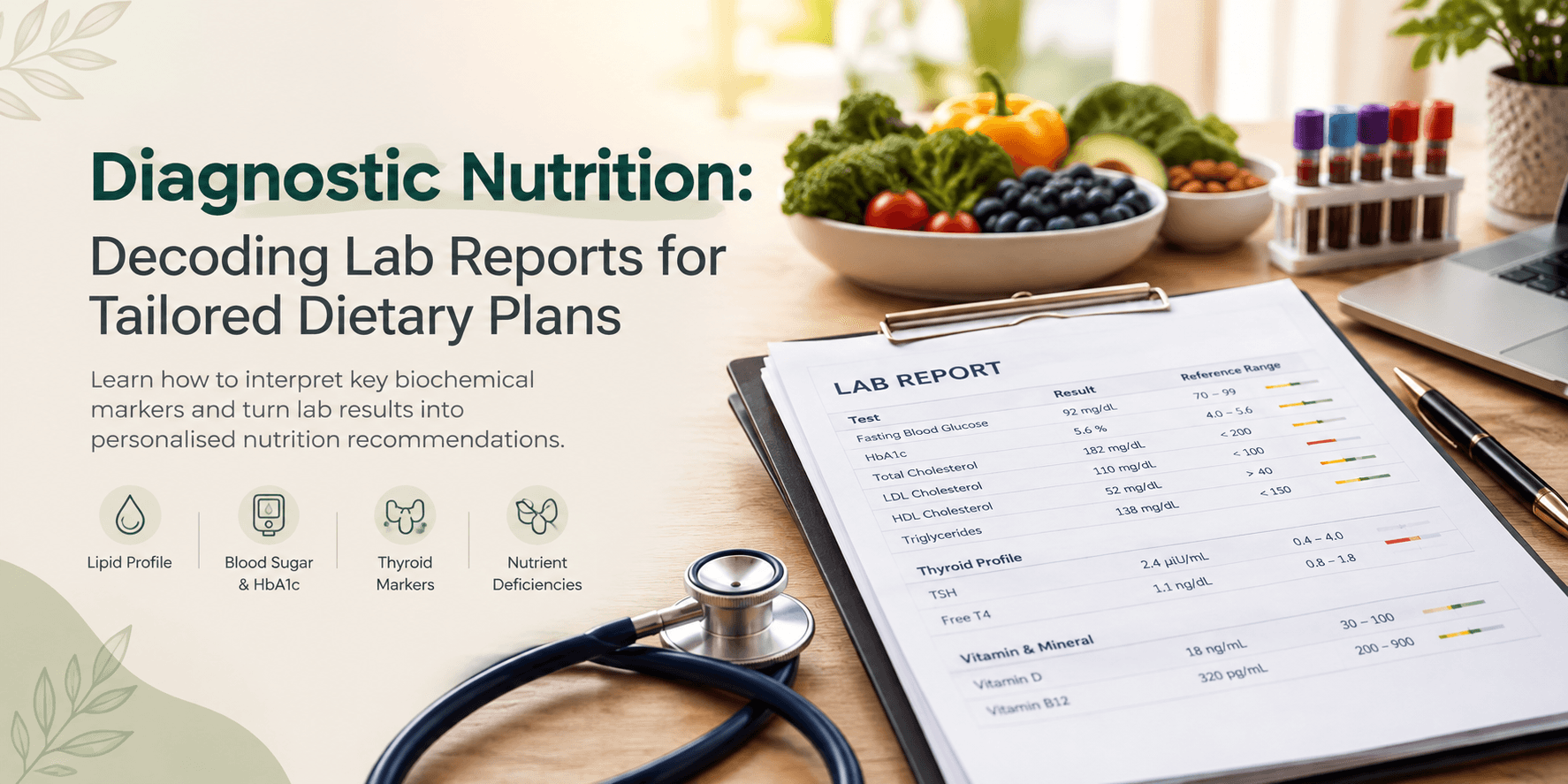
Learn how to understand lipid profiles, HbA1c, thyroid markers, and nutrient deficiencies to support evidence-based dietary recommendations and personalized nutrition planning.
Diagnostic Nutrition: Decoding Lab Reports for Tailored Dietary Plans
Nutrition is more than planning meals or recommending foods. Effective nutrition care also involves understanding what is happening inside the body. Laboratory reports provide valuable insights into blood glucose levels, cholesterol, thyroid function, nutrient deficiencies, and other biochemical markers that may influence an individual's nutritional needs.
For nutritionists, healthcare professionals, and aspiring dietetics practitioners, learning to understand these parameters can help bridge the gap between general dietary advice and evidence-based nutrition planning.
Understanding the Role of Laboratory Reports in Nutrition
Laboratory investigations can offer useful information about a person's metabolic health and nutritional status. Parameters such as fasting blood glucose, HbA1c, lipid profile, hemoglobin, vitamin B12, vitamin D, and thyroid markers may help identify areas that require further assessment.
However, laboratory values should never be interpreted in isolation. Age, medical history, medications, symptoms, lifestyle, and existing health conditions all influence how results should be understood. Learning to interpret reports in context helps nutrition professionals make more informed dietary recommendations while recognizing when medical evaluation is necessary.
Key Biochemical Parameters Every Nutrition Professional Should Understand
1. Blood Glucose and HbA1c
Blood glucose measurements and HbA1c results provide information about glucose regulation. Understanding these markers can support nutrition planning for individuals with diabetes, prediabetes, or other metabolic concerns. Dietary strategies may focus on balanced meals, appropriate carbohydrate distribution, fibre intake, and sustainable eating habits, depending on the individual's clinical needs.
2. Lipid Profile
A lipid profile typically includes total cholesterol, LDL cholesterol, HDL cholesterol, and triglycerides. These values help assess aspects of cardiovascular health and may inform discussions about dietary fat quality, fibre-rich foods, and overall eating patterns. Interpretation should consider the person's broader health profile and cardiovascular risk.
3. Thyroid Function Markers
Thyroid-related tests, including TSH and, when indicated, free T4 and other markers, can provide insight into thyroid function. Since thyroid disorders may affect energy levels, weight, and metabolism, understanding these results is useful when planning nutrition support. Diagnosis and treatment decisions, however, remain within the scope of qualified medical professionals.
4. Vitamin and Mineral Deficiencies
Markers related to iron status, vitamin B12, vitamin D, and other nutrients can help identify possible deficiencies or the need for further investigation. Nutrition professionals can use relevant findings to guide food-based recommendations and coordinate appropriate care. Supplementation should be based on individual requirements and suitable clinical guidance rather than assumptions based on symptoms alone.
From Lab Results to Personalized Nutrition
The real value of diagnostic nutrition lies in connecting laboratory findings with an individual's dietary habits, lifestyle, symptoms, and health goals. Two people with similar reports may still require different approaches because their medical histories, nutritional needs, and daily routines differ.
A structured assessment helps professionals identify relevant patterns, recognize potential nutritional concerns, and develop practical dietary strategies. It also encourages better follow-up by allowing progress to be reviewed alongside appropriate clinical indicators.
Importantly, nutrition professionals must understand the limitations of laboratory testing. A single abnormal result does not always confirm a diagnosis, and normal values do not necessarily rule out every health concern. Reports should be interpreted using the laboratory's reference ranges and relevant clinical guidance, with referrals to a physician when necessary.
Building Skills for Evidence-Based Nutrition Practice
Developing confidence in laboratory report interpretation can strengthen the quality of nutrition consultations. It enables practitioners to communicate findings more clearly, understand when further assessment may be required, and make dietary recommendations grounded in relevant evidence rather than guesswork.
For doctors, practitioners, nutritionists, and dietetics learners, diagnostic nutrition offers an opportunity to deepen their understanding of biochemical parameters and their role in nutritional care.
At NHHA, learning to connect nutritional science with practical application can help aspiring professionals build a stronger foundation for responsible, individualized nutrition practice.
The goal is not simply to read a lab report. It is to understand what the findings may mean, recognize their limitations, and use them to support safer, more informed nutrition decisions.
Enroll now and book your seats
Filed under
- Lab report reading
- biochemical parameters
- lipid profile
- blood sugar reading