Nutrition
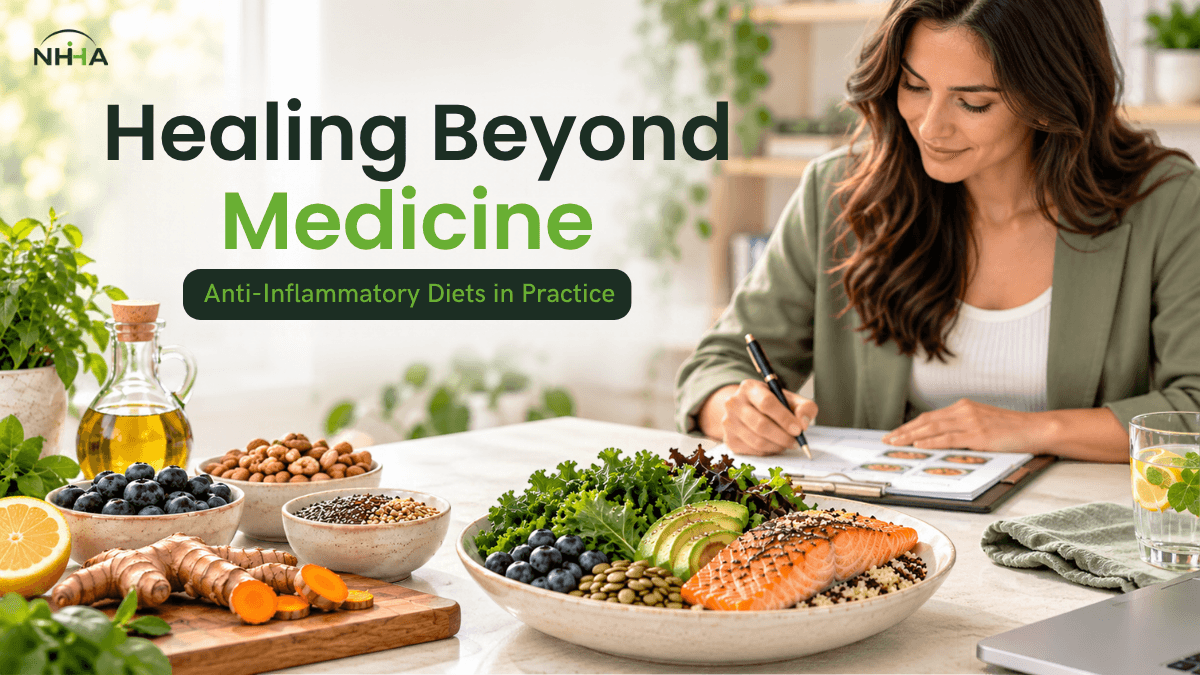
Healing Beyond Medicine: Integrating Anti-Inflammatory Diets into Practice
- By
- NHHA Editorial
- Published
- Reading time
- 5 min

A practical guide for doctors, physiotherapists, and wellness seekers on managing inflammation, joint pain, and metabolic issues.
Healing Beyond Medicine: Integrating Anti-Inflammatory Nutrition into Clinical Practice
Modern healthcare is moving beyond treating symptoms alone. Alongside medicines, medical procedures, and physiotherapy, nutrition plays an important supporting role in metabolic health, recovery, and long-term wellness.
For doctors, physiotherapists, and health professionals, understanding basic clinical nutrition can help create a more complete approach to patient care.
One area receiving increasing attention is anti-inflammatory nutrition—a dietary approach focused on overall dietary quality, nutrient density, and reducing excessive consumption of highly processed foods.
But what does an anti-inflammatory diet actually mean, and how can it fit into clinical practice?
Understanding Inflammation
Inflammation is a natural process that helps the body respond to injury and infection. Acute inflammation can be part of normal healing, while persistent or dysregulated inflammation is associated with several chronic health conditions.
Diet is one of several lifestyle factors that may influence inflammatory processes.
Research on Mediterranean-style dietary patterns, for example, has found associations with improvements in certain inflammatory markers, although results can vary between individuals and studies.
The goal of an anti-inflammatory dietary pattern is therefore not to eliminate inflammation, but to support overall health through better dietary choices.
What Does an Anti-Inflammatory Diet Include?
Rather than focusing on one “miracle food,” the emphasis should be on the overall eating pattern.
A balanced approach may include:
- Vegetables and fruits for fiber, vitamins, minerals, and plant compounds
- Whole grains and legumes for fiber and sustained energy
- Adequate protein from foods such as eggs, fish, dairy, poultry, beans, lentils, and soy
- Healthy fats from nuts, seeds, olive oil, and certain fish
- Adequate hydration
- A variety of nutrient-dense, minimally processed foods
At the same time, excessive intake of highly processed foods, sugar-sweetened beverages, refined foods, and other foods that contribute to poor overall dietary quality may need to be reduced.
The focus should be on balance and sustainability rather than strict food restrictions.
Nutrition and Physiotherapy: Why It Matters
Physiotherapy focuses on movement, mobility, strength, pain management, and rehabilitation. Nutrition can complement these efforts by supporting the body's nutritional requirements during recovery.
For example, adequate protein intake is important for maintaining muscle mass and supporting muscle adaptation, particularly when rehabilitation includes resistance or strengthening exercises.
Other factors—including sufficient energy intake, hydration, micronutrient status, and overall dietary quality—may also be relevant depending on the patient's condition.
However, nutrition should complement physiotherapy rather than replace it.
A patient recovering from an injury may benefit from a coordinated approach involving medical management, physiotherapy, appropriate physical activity, and individualized nutrition support.
Nutrition and Metabolic Health
Inflammation is also closely connected with broader metabolic health.
Patients may present with multiple concerns at the same time, including:
- High cholesterol
- Elevated triglycerides
- Prediabetes
- Type 2 diabetes
- Excess body weight
- Hypertension
- Insulin resistance
In such cases, nutrition planning should consider the patient's overall metabolic picture rather than focusing on inflammation alone.
For example, dietary strategies may aim to improve fiber intake, dietary quality, energy balance, protein intake, and overall cardiometabolic health.
There is no single diet that works for everyone. Nutrition recommendations should consider the individual's medical history, lifestyle, food preferences, cultural habits, activity level, and clinical goals.
Why Personalized Nutrition Matters
Two people with the same diagnosis may have completely different nutritional needs.
Factors such as age, body composition, physical activity, medication, medical conditions, food preferences, and lifestyle can all influence dietary requirements.
This is why simply copying someone else's diet is rarely an ideal approach.
Instead, clinical nutrition focuses on questions such as:
What does this patient need?
What is realistic for their lifestyle?
What dietary changes are appropriate for their condition?
How can those changes be maintained long term?
This personalized approach can make nutrition recommendations more practical and sustainable.
The Role of Doctors and Physiotherapists
Doctors and physiotherapists frequently receive nutrition-related questions from patients:
- “What should I eat for recovery?”
- “Should I increase my protein?”
- “Can my diet help with inflammation?”
- “What should I eat if I have high cholesterol?”
- “Should I avoid carbohydrates?”
Healthcare professionals do not need to replace dietitians to address these concerns. However, developing nutrition literacy can help them recognize nutrition-related issues and understand when referral to a qualified dietitian or nutrition professional may be appropriate.
Building a Multidisciplinary Approach
Effective healthcare often involves multiple professionals working together.
Doctors manage diagnosis and medical treatment.
Physiotherapists focus on movement, function, and rehabilitation.
Dietitians and nutrition professionals assess nutritional needs and provide individualized dietary guidance.
When these areas work together, patients can receive a more comprehensive approach to their health.
Nutrition is not a replacement for medical treatment. Instead, it can be an important part of a broader, evidence-informed healthcare strategy.
Final Takeaway
An anti-inflammatory diet is not a magic solution, and no single food can eliminate inflammation or guarantee faster recovery.
The more useful approach is to focus on overall dietary quality, adequate nutrition, metabolic health, and individual needs.
For doctors and physiotherapists, understanding clinical nutrition can strengthen patient conversations and support multidisciplinary care.
For health seekers, the message is simple:
Don't follow a diet just because it worked for someone else. Understand your body, your health goals, and the nutrition approach that is appropriate for you.
Learn More with NHHA
Want to build practical knowledge in nutrition and human health?
Explore NHHA's nutrition education programs and develop real-world skills in clinical nutrition, therapeutic diets, metabolic health, and personalized nutrition.
Learn Nutrition. Understand Health. Build Real-World Skills.
Enroll now for the further information
https://learn.nhha.in/nutration-lp/
Filed under
- Clinical dietetics
- anti- inflammatory diets
- medical nutrition
- physio rehab