Nutrition
Indian Thali Meal Design: Balanced Weight Loss Charts Using Everyday Home Food
- By
- NHHA Editorial
- Published
- Reading time
- 5 min
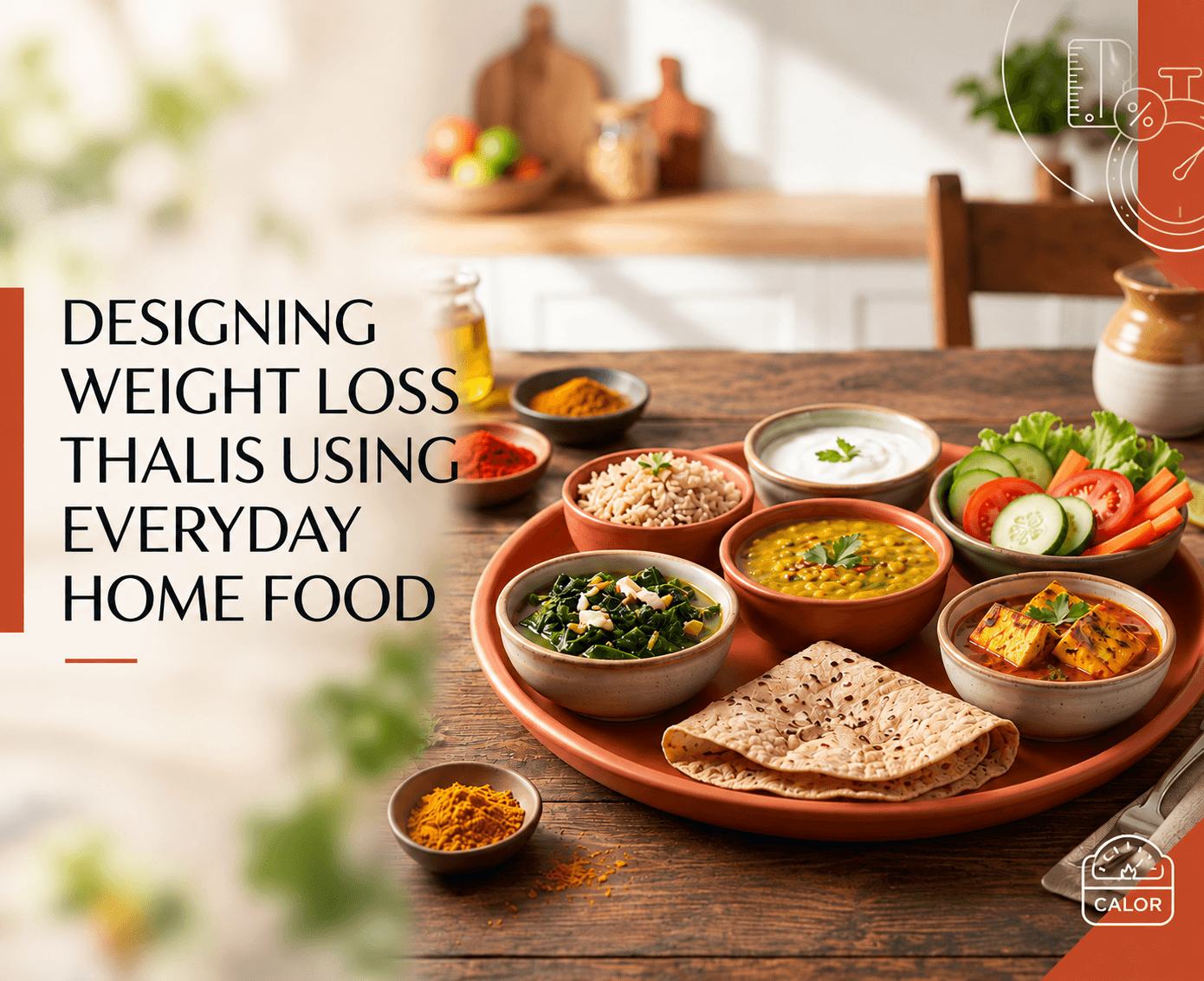
Practical meal planning using everyday roti, rice, dal, and sabzi for sustainable fat loss without expensive ingredients
Design Effective Weight Loss Diets Using Everyday Foods
Successful diet planning doesn't require exotic imported foods, expensive supplements, or drastically altering regional culinary habits. Sustainable weight loss is built on familiar, home-cooked meals that clients can enjoy for a lifetime. By leveraging the traditional structure of an Indian thali—combining rotis, rice, dals, sabzis, and fresh sides—you can design highly effective, macronutrient-balanced fat loss plans tailored to everyday Indian households.
The Science of the Balanced Indian Thali
The traditional Indian meal is inherently diverse, but modern lifestyles often distort its proportions, leading to an over-reliance on simple carbohydrates (large portions of refined rice or multiple ghee-laden rotis) and insufficient protein and dietary fiber.
To transform a standard household thali into a weight-loss power pack, follow the 50-25-25 Portion Control Framework:
- 50% Fiber & Micronutrients: Half the plate should be filled with non-starchy vegetables (cooked sabzi like bhindi, gobhi, or laoki) alongside a fresh salad (cucumber, radish, tomato, carrots).
- 25% Quality Protein: A quarter of the plate is reserved for dense protein sources to promote satiety and muscle preservation during a calorie deficit.
- 25% Complex Carbohydrates: The final quarter accommodates a measured portion of whole grains to sustain energy levels throughout the day.
Step-by-Step Breakdown of Thali Components
1. Smart Carbohydrate Management (Roti & Rice)
Carbohydrates are essential for brain function and daily energy, so removing them completely is unnecessary and hard to sustain. Instead, focus on portion control and fiber density:
- Whole Grain Rotis: Shift from ultra-refined wheat (maida) to multi-grain flour mixes incorporating oats, jowar, bajra, or ragi. Adding flaxseed meal or besan (chickpea flour) to the dough increases fiber and protein content while lowering the overall glycemic load.
- Rice Optimization: Rice is not the enemy. Recommend parboiled, brown, or hand-pounded rice options. If clients prefer white rice, teach them proper portioning (1 small bowl/katori cooked) paired with high-protein and high-fiber accompaniments to blunt blood sugar spikes.
2. Maximizing Protein in Indian Vegetarian & Non-Vegetarian Diets
One of the most common challenges in Indian meal planning is reaching daily protein targets.
| Food Category | Recommended Sources | Preparation Tip |
| Vegetarian Protein | Thick Dals (Moong, Toor, Chana), Sprouts, Paneer, Tofu, Soya Chunks | Avoid watering down dals; prepare thick lentils to increase protein density per spoonful. |
| Dairy Supplements | Plain Curd, Hung Curd, Low-Fat Paneer | Incorporate curd or buttermilk (chaas) into every lunch thali for both protein and probiotic gut support. |
| Non-Vegetarian Options | Boiled/Grilled Eggs, Chicken Breast, Fish Curry | Use light curry bases made from tomato and onion paste rather than heavy cream or cashew pastes. |
3. Vegetable Sabzis: Low Energy, High Volume
Vegetables provide the volume needed to trigger satiety receptors without adding excessive calories:
- Choose dry or light gravy preparations like Gobhi aloo Matteer (low oil), bhindi fry, tori, karela, or mixed veg.
- Limit added cooking oils and ghee to 1 to 2 teaspoons per meal across all preparations.
4. The Power of Probiotics & Digestion Helpers
A complete thali supports gut health, which plays a crucial role in metabolism and weight management:
- Chaas (Buttermilk): Diluted curd tempered with roasted cumin seeds (jeera), rock salt, and mint acts as a natural digestive aid.
- Fermented Sides: Small portions of homemade, low-oil pickles (achaar) or fermented vegetables add flavor and beneficial bacteria.
Sample Balanced Thali Diet Chart (1,400 – 1,500 Calorie Deficit Plan)
This template demonstrates how everyday Indian dishes fit into a balanced weight-loss framework:
Early Morning (7:00 AM)
- 1 glass warm water with lemon juice or chia seeds
- 4–5 soaked almonds + 1 whole walnut
Breakfast (8:30 AM)
- Option A: 2 Moong Dal Chilas with mint chutney
- Option B: 1 cup Vegetable Poha/Upma cooked with added peanuts and sprouts
- Option C: 2 Boiled Egg Whites + 1 Whole Grain Toast
- Beverage: Unsweetened Green Tea or Masala Chai with low-fat milk (no sugar)
Lunch (1:30 PM) – The Core Thali
- Salad: 1 bowl cucumber, carrot, and tomato slices with lemon juice
- Grains: 1 Multigrain Roti (or 1 small katori Brown/Boiled Rice)
- Protein: 1 katori Thick Dal / Rajma / Chana OR 100g Grilled Chicken/Fish Curry
- Vegetables: 1 bowl dry green sabzi (e.g., Bhindi, Palak, or French Beans)
- Dairy Side: 1 small bowl plain homemade Curd or 1 glass tempered Chaas
Evening Snack (5:00 PM)
- 1 cup roasted Makhana (fox nuts) or Chana (roasted chickpeas)
- 1 cup Green Tea or Black Coffee
Dinner (8:00 PM) – Light Thali / Bowl Setup
- 1 large bowl of Vegetable Sprouts Soup OR Paneer/Chicken Tikka with grilled vegetables
- 1 small Jowar/Bajra Roti with 1 katori Lauki/Tori Sabzi
Key Practical Coaching Tips for Clients
- Measure Oils Accurately: Oil poured straight from a bottle often leads to hidden calorie surpluses. Advise clients to measure cooking oil using a teaspoon (1 tsp = ~45-50 kcal).
- Chew Slower: Encourage clients to take 20–25 minutes to complete their meal. Satiety signals take time to register in the brain.
- Plate Pre-Portioning: Serve the full thali all at once rather than eating directly from serving bowls at the table to avoid accidental second helpings.
For more details visit the link https://nhha.in/
Filed under
- Indian diet
- weight loss diet
- diet planning skills