Nutrition
Kitchen Physiology: Harnessing Hormones, Gut Microbiome, and PCOS Control
- By
- NHHA Editorial
- Published
- Reading time
- 8 min
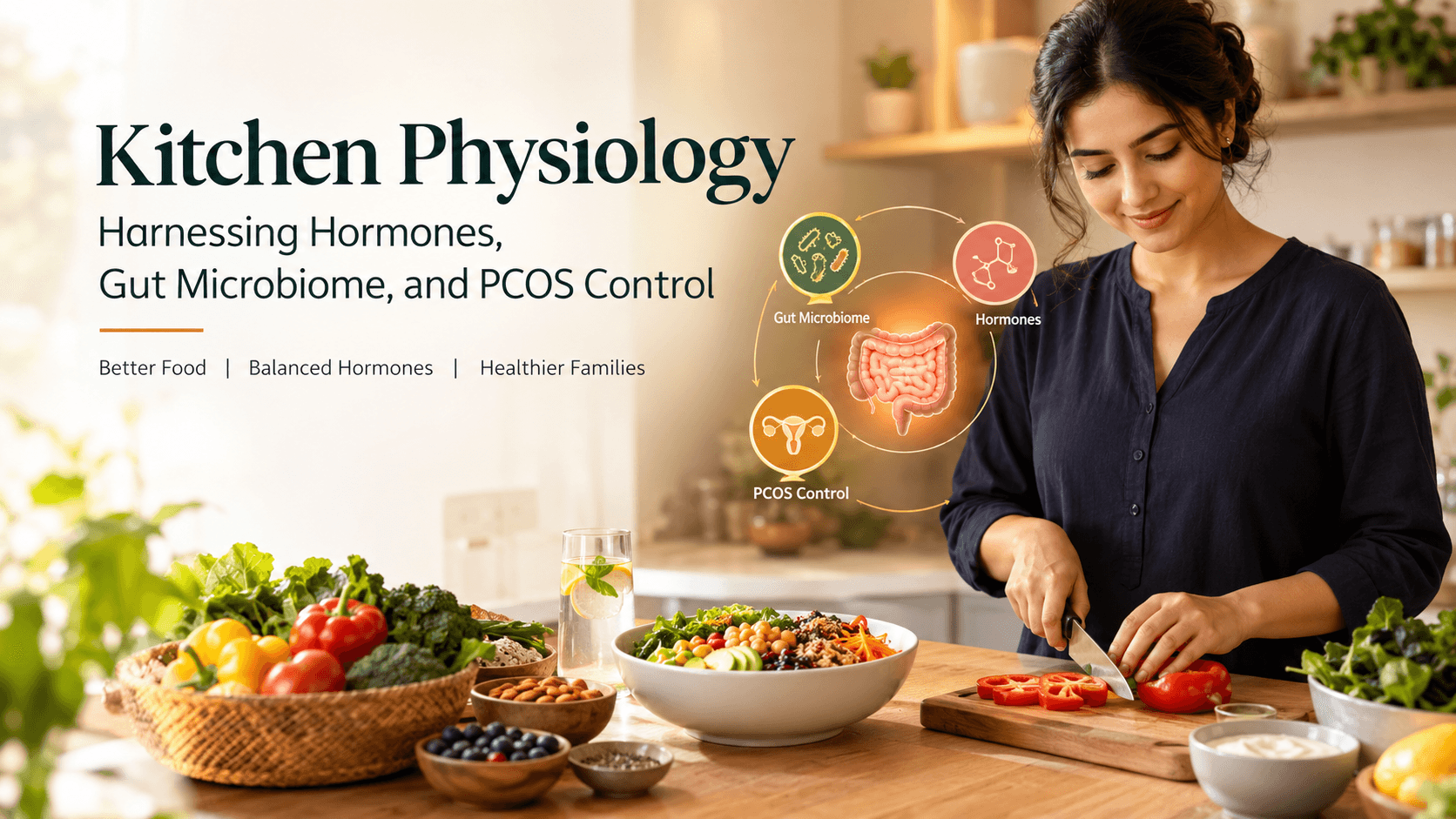
Understand how everyday foods impact gut bacteria, insulin balance, and thyroid health for families and home managers.
Kitchen Physiology: Harnessing Hormones, Gut Microbiome, and PCOS Control
Understanding the Science Behind Everyday Food Choices
The kitchen is more than a place to prepare meals. It is where everyday food choices can influence digestion, blood sugar regulation, energy levels, and overall metabolic health. Understanding the connection between nutrition, hormones, and the gut microbiome can help families make informed decisions about their daily eating habits.
For housewives, young mothers, and anyone interested in human physiology, learning the science behind food can transform routine meal planning into an opportunity to support long-term family wellness. From choosing fibre-rich vegetables to balancing carbohydrates with protein, small changes in everyday meals can co
ntribute to healthier eating patterns.
1. Understanding the Gut Microbiome
The gut microbiome is the community of microorganisms that live in the digestive tract. These microbes play important roles in digestion, immune function, and the production of certain substances that support intestinal health.
The foods we eat influence the diversity and activity of these microorganisms. A diet containing a variety of vegetables, fruits, legumes, whole grains, nuts, and seeds provides fibre that beneficial gut bacteria can use. These bacteria produce short-chain fatty acids, which help support the intestinal lining and contribute to several aspects of metabolic health.
On the other hand, regularly relying on highly processed foods while eating very little fibre may reduce dietary variety and make it harder to meet nutritional needs.
Practical kitchen tip: Include different sources of fibre throughout the week, such as dal, beans, chickpeas, oats, vegetables, fruits, and whole grains. Increase fibre gradually and drink enough water to support comfortable digestion.
2. How Food Choices Influence Hormonal Balance
Hormones are chemical messengers that help regulate many body functions, including appetite, energy use, reproduction, growth, and metabolism. Insulin, thyroid hormones, oestrogen, and progesterone each have distinct roles in maintaining normal physiological function.
Nutrition supports these systems by providing the energy and nutrients the body needs. However, no single food can independently balance all hormones, and hormonal symptoms may have several underlying causes.
For example, meals that combine carbohydrates with protein, fibre, and healthy fats can help moderate the rise in blood glucose after eating. Consistent meal patterns, adequate sleep, physical activity, and stress management can also contribute to overall metabolic health.
Practical kitchen tip: Instead of eating a meal made up mainly of refined carbohydrates, combine foods such as roti or rice with dal, vegetables, curd, eggs, paneer, or another suitable protein source. The ideal combination depends on individual nutritional needs and preferences.
3. PCOS and the Role of Everyday Nutrition
Polycystic ovary syndrome (PCOS) is a hormonal and metabolic condition that can affect menstrual cycles, ovulation, skin health, and fertility. Some people with PCOS also experience insulin resistance, which means the body does not respond to insulin as effectively as it should.
Nutrition can be an important part of managing PCOS, particularly when it supports blood glucose regulation, cardiovascular health, and adequate nutrient intake. However, there is no single PCOS diet that works for everyone, and restrictive eating is not necessary for every individual.
A balanced eating pattern may include:
- Whole grains such as oats, whole-wheat roti, and millets.
- Protein-rich foods such as dal, rajma, chickpeas, eggs, fish, tofu, or paneer.
- Vegetables and whole fruits that provide fibre, vitamins, and minerals.
- Nuts, seeds, and appropriate amounts of unsaturated fats.
- Regular meals suited to personal hunger, activity levels, and medical needs.
It is also important to understand that PCOS cannot always be controlled through diet alone. Medical assessment and individualised care may be needed to manage symptoms and associated health risks.
Practical kitchen tip: Focus on building balanced, satisfying meals rather than eliminating entire food groups. Anyone experiencing irregular periods, persistent acne, unusual hair growth, or difficulties with fertility should consider consulting a qualified healthcare professional.
4. Understanding the Glycemic Index and Blood Sugar
The glycemic index (GI) is a measure of how quickly a carbohydrate-containing food raises blood glucose compared with a reference food. Understanding GI can help people make informed food choices, particularly when managing blood sugar levels.
However, GI should not be the only factor used to judge whether a food is healthy. Portion size, cooking methods, food combinations, and the amount of fibre and protein in a meal can all influence the overall blood glucose response.
For example, rice eaten with dal, vegetables, and a protein source creates a different meal from rice eaten alone. Similarly, whole fruit generally provides more fibre than fruit juice and can be a useful part of a balanced diet.
Practical kitchen tip: Build meals around a variety of food groups. Choose whole grains more often when practical, include vegetables and protein, and adjust portions according to individual requirements rather than following a one-size-fits-all rule.
5. Thyroid Health and Essential Nutrients
The thyroid gland produces hormones that help regulate metabolism, body temperature, and several other physiological functions. Adequate nutrition supports normal thyroid function, but thyroid disorders cannot be diagnosed or treated through food choices alone.
Iodine is necessary for thyroid hormone production, while selenium, iron, zinc, and other nutrients also contribute to normal body functions. Both inadequate and excessive intake of certain nutrients can be harmful.
In India, appropriately used iodised salt is an important source of iodine for many households. It is generally better to use iodised salt in recommended amounts than to assume that speciality salts provide superior thyroid support.
People with diagnosed thyroid conditions should follow their clinician's treatment advice. Certain thyroid medications need to be taken separately from food, iron, or calcium supplements, so medication timing should be discussed with a healthcare professional.
Practical kitchen tip: Maintain a varied diet and avoid taking high-dose iodine or other thyroid supplements without professional guidance.
6. Family Nutrition: Turning Science into Daily Habits
Family meal planning can become challenging when different members have different schedules, appetites, and nutritional needs. A practical approach is to prepare meals using a flexible structure that can be adapted for children, adults, and older family members.
A balanced family meal can include a source of carbohydrates, protein-rich foods, vegetables or fruits, and suitable fats. Traditional Indian foods can fit comfortably into this approach without requiring expensive ingredients or complicated recipes.
For example, breakfast might include vegetable poha with curd, or eggs with whole-wheat toast. Lunch could combine roti or rice with dal, seasonal vegetables, and curd. Dinner might include vegetable khichdi with a protein-rich accompaniment.
Young mothers should pay particular attention to their own nutritional needs during pregnancy, breastfeeding, and postpartum recovery. These stages can involve different energy and nutrient requirements, so generic weight-loss or fasting advice may not be appropriate.
Practical kitchen tip: Plan a few versatile ingredients for the week, prepare legumes and vegetables in advance when possible, and aim for variety instead of trying to make every meal perfect.
7. Recognising the Connection Between Digestion, Energy, and Lifestyle
Digestive discomfort, fatigue, and changes in body weight can have many possible explanations. Diet quality and meal patterns may play a role, but these symptoms should not automatically be attributed to gut bacteria or hormonal imbalance.
Sleep quality, physical activity, stress, hydration, medication use, and underlying health conditions can also influence how a person feels. Persistent fatigue, unexplained weight changes, significant digestive symptoms, or menstrual irregularities may require medical evaluation.
It is equally important to be cautious about claims that detox drinks, special teas, or expensive supplements can reset hormones or repair the gut overnight. The body has established systems for processing and eliminating waste, and sustainable health habits are generally more useful than quick-fix promises.
Practical kitchen tip: Maintain regular sleep routines, include physical activity suited to your abilities, eat a varied diet, and seek professional advice when symptoms persist.
8. Building a Science-Based Kitchen Routine
Applying nutrition science at home does not require complicated calculations or a complete change in traditional eating habits. Start with small, realistic improvements and build consistency over time.
Here are a few habits to practise:
- Include a variety of plant foods across the week.
- Add protein sources to main meals.
- Choose water regularly and limit frequent sugary drinks.
- Use iodised salt appropriately and avoid excessive salt intake.
- Reduce reliance on highly processed foods without creating unnecessary food restrictions.
- Observe how different meals affect your hunger, digestion, and energy.
- Seek qualified guidance for PCOS, thyroid disorders, diabetes, or persistent symptoms.
These habits can support general health, but they should be adapted to personal circumstances rather than treated as a substitute for medical care.
Conclusion: Bring Physiology into Your Everyday Kitchen
Understanding kitchen physiology helps families look beyond food trends and recognise the science behind everyday nutrition. The gut microbiome, insulin function, thyroid hormones, and reproductive health are interconnected with many aspects of human physiology, yet each requires a balanced and evidence-based approach.
By making informed food choices, planning practical meals, and recognising when professional guidance is needed, housewives and young mothers can develop valuable nutrition knowledge that benefits the entire household.
With NHHA's focus on applied nutrition science, learners can explore how digestion, metabolism, hormones, and food choices relate to everyday health. The goal is not to find one miracle ingredient, but to understand the principles that make nutrition more practical, personalised, and sustainable.
Enroll now and book your seats
https://learn.nhha.in/nutration-lp/
Filed under
- gut health
- pcos diet
- family nutrition
- hormonal balance