Nutrition
Resume Upgrades That Matter: High-Demand Certifications for Wellness Jobs
- By
- NHHA Editorial
- Published
- Reading time
- 3 min
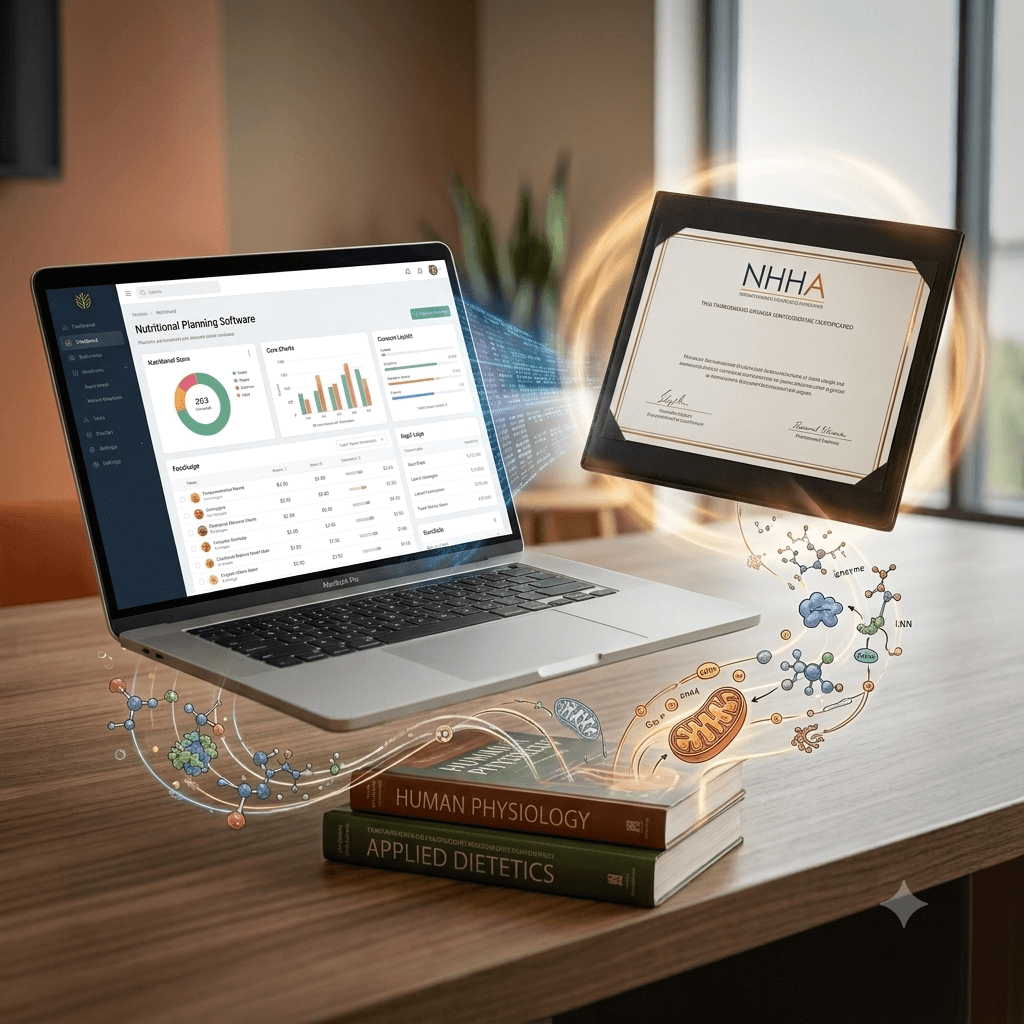
How practical, accredited online certificates in applied dietetics help young job seekers and trainers secure career opportunities.
The health, fitness, and preventive healthcare industries are undergoing a massive global shift. Gyms, corporate wellness programs, digital health apps, and private clinics are moving away from hiring generalists. Today, hiring managers are actively seeking candidates with specialized, verifiable skills—specifically in applied dietetics and metabolic health.
Whether you are a student preparing to enter the job market, a job seeker looking to pivot into a high-growth sector, or an active fitness trainer wanting to offer comprehensive client care, upgrading your credentials is the fastest path to standing out.
The Problem with Generic Resumes in Today's Job Market
Recruiters receive dozens of applications for every open position in the wellness industry. A resume that merely states an interest in fitness or lists general qualifications rarely makes the cut.
To make quick hiring decisions, employers look for three specific proof points:
- Verifiable Competency: Proof that you can calculate metabolic needs and design safe, functional meal frameworks from day one.
- Accredited Education: Evidence of structured learning from an established, reputable institution.
- Specialized Knowledge: Proficiency in high-demand areas like metabolic care, weight management, and performance nutrition.
Without clear certifications that validate these core competencies, qualified candidates often get overlooked.
Why Practical Nutrition Certifications Matter
Enrolling in practical online certification programs—such as those offered by the National Health and Housing Association (NHHA)—bridges the gap between academic theory and real-world employment needs.
Here is how specialized credentials directly benefit different applicant groups:
1. For Students
Entering the workforce without prior job experience can be challenging. accredited certifications demonstrate self-motivation and initiative. Gaining practical expertise in metabolic care while studying equips you with an industry-ready portfolio, making entry-level roles at health platforms and wellness centers instantly accessible.
2. For Unemployed Job Seekers
For those seeking to fast-track their re-entry into the workforce, short-term, high-value certifications offer an immediate return on investment. The wellness sector continues to expand rapidly. Acquiring structured skills in diet planning enables you to apply for diverse roles, including health advisor, wellness coordinator, and lifestyle coach.
3. For Fitness Trainers and Personal Coaches
Relying solely on workout programming limits client results and caps your earning potential. Clients naturally expect nutritional guidance alongside their fitness routines. Holding formal credentials in applied dietetics allows you to legally and confidently offer meal strategies, improving client retention and enabling you to command higher rates.
Core Focus: Applied Dietetics and Metabolic Care
While basic health advice is widely accessible, practical expertise in metabolic health is highly sought after by recruiters.
Key skills that directly enhance your employability include:
- Metabolic Rate Calculations: Calculating Basal Metabolic Rate (BMR) and Total Daily Energy Expenditure (TDEE) tailored to specific individual baselines.
- Macronutrient Strategy: Designing balanced, flexible meal frameworks that align with weight management, muscle gain, or metabolic recovery.
- Client Assessment Protocols: Conducting structured dietary consultations and tracking physiological progress over time.
By featuring these specialized skills prominently on your CV and professional profiles, you signal to prospective employers that you are ready to deliver immediate value.
Join now Nutration LP – learn.nhha.in
Filed under
- Student
- gym trainer
- skill wellness
- certifications