Nutrition
The 30-Day Launchpad: Building a Flexible Home Nutrition Business
- By
- NHHA Editorial
- Published
- Reading time
- 6 min
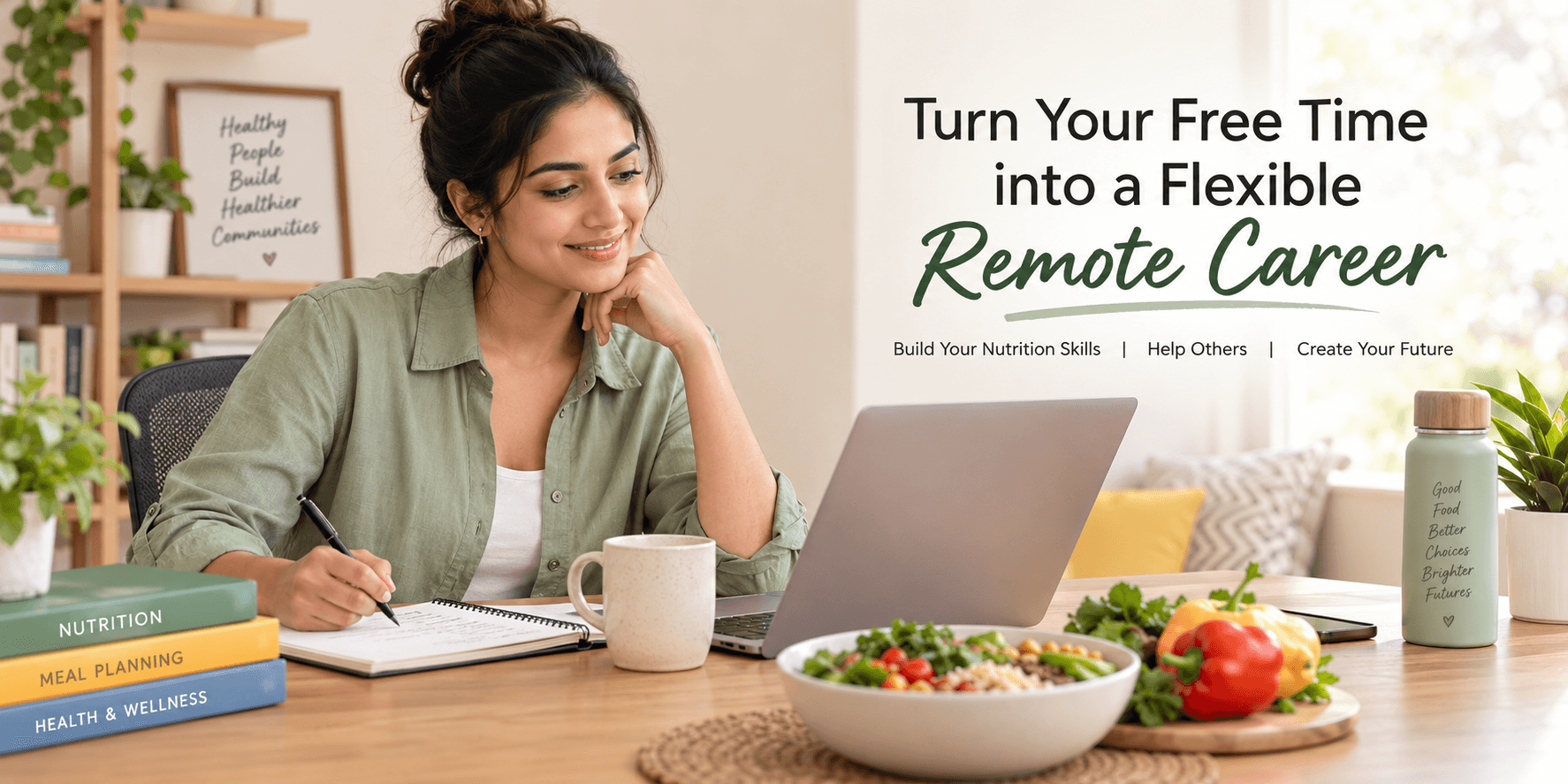
Homemakers, freelancers, and job seekers can build a flexible remote diet consulting career using NHHA’s practical nutrition programs.
Turn Your Free Time into a Flexible Remote Career
Building a career while managing household responsibilities, personal commitments, or a job search can be challenging. A home-based nutrition business offers an opportunity to develop professional skills, connect with clients online, and create a flexible career around your daily schedule. For homemakers, freelancers, fitness enthusiasts, and individuals planning to return to the workforce, nutrition consulting can be a practical way to explore the growing field of health and wellness.
With increasing awareness of healthy eating, balanced diets, and lifestyle-related health concerns, people are looking for reliable nutrition guidance that fits their individual needs. This creates opportunities for trained nutrition professionals to provide meal-planning support, healthy-eating education, and nutrition consultations through digital platforms.
Why Start a Home-Based Nutrition Business?
One of the biggest advantages of a remote nutrition business is flexibility. You can gradually develop your skills, establish a professional presence, and begin connecting with potential clients without immediately investing in a physical clinic or office. Online consultations and digital communication tools can help you work with clients from different locations while managing your other responsibilities.
For homemakers, this can be an opportunity to build an independent professional identity. Freelancers can explore nutrition consulting as an additional service, while fitness trainers and wellness professionals can strengthen their existing offerings with appropriate nutrition education. Individuals returning to work can also use structured learning to prepare for new career opportunities.
However, building a successful business requires more than an interest in healthy food. You need a strong understanding of nutrition fundamentals, effective communication skills, practical meal-planning knowledge, and a responsible approach to client care.
Build Practical Nutrition Skills with the NHHA App
Before offering services, it is important to develop a sound foundation in nutrition science and understand how to apply that knowledge in real-world situations. The NHHA App can be a learning resource for individuals exploring practical nutrition education, meal planning, and consultation skills through its available programs.
Focus on understanding balanced meals, Indian food choices, portion awareness, dietary preferences, and the factors that influence everyday eating habits. Learning how to communicate nutrition information clearly can also help you support clients who may feel confused by conflicting diet advice online.
Practical learning is particularly valuable when preparing to work with clients. Case studies, assignments, and consultation-oriented training, where available in your chosen program, can help you understand how to gather relevant information, organize recommendations, and communicate realistic dietary strategies.
Remember that completing a course does not automatically authorize every type of nutrition practice. Your qualifications, training, and applicable regulations determine which services you can responsibly provide. Medical nutrition therapy and the management of clinical conditions should be handled within the appropriate professional scope.
Your 30-Day Launchpad: A Step-by-Step Plan
Week 1: Learn the Fundamentals
Use the first seven days to establish your learning routine. Explore the nutrition program that best matches your interests and career goals. Review foundational concepts such as macronutrients, micronutrients, balanced meals, hydration, and healthy eating patterns.
Pay attention to Indian dietary habits and the practical challenges people face when trying to improve their food choices. Set aside a consistent period each day for learning, even if you can manage only a short session. A realistic schedule is more sustainable than trying to study everything at once.
Week 2: Develop Practical Meal-Planning Skills
During the second week, focus on applying your knowledge. Practice creating sample meal plans for different food preferences, budgets, schedules, and cultural eating patterns. Learn to consider vegetarian and non-vegetarian options, regional Indian foods, and the importance of variety and nutritional balance.
You can also create sample educational resources, such as balanced-plate guides, grocery-planning checklists, and healthy meal ideas. These materials can eventually help you communicate your approach to potential clients. Keep practice plans educational and avoid presenting them as personalized medical diets unless you have the appropriate qualifications.
Week 3: Establish Your Online Presence
Once you have started building your skills, begin preparing your professional identity. Choose a clear description of the services you are qualified to offer and identify the audience you want to support, such as busy professionals, people seeking general healthy-eating guidance, or families looking for practical meal-planning ideas.
Create a professional profile on a suitable platform and share useful, evidence-informed nutrition content. Short videos, simple recipes, grocery tips, and explanations of common nutrition misconceptions can help demonstrate your knowledge and build trust.
You can also prepare an introductory message explaining your background, training, and service approach. Be transparent about your qualifications, avoid promising specific health outcomes, and do not advertise yourself as certified unless you hold the relevant credential.
Week 4: Prepare to Connect with Clients
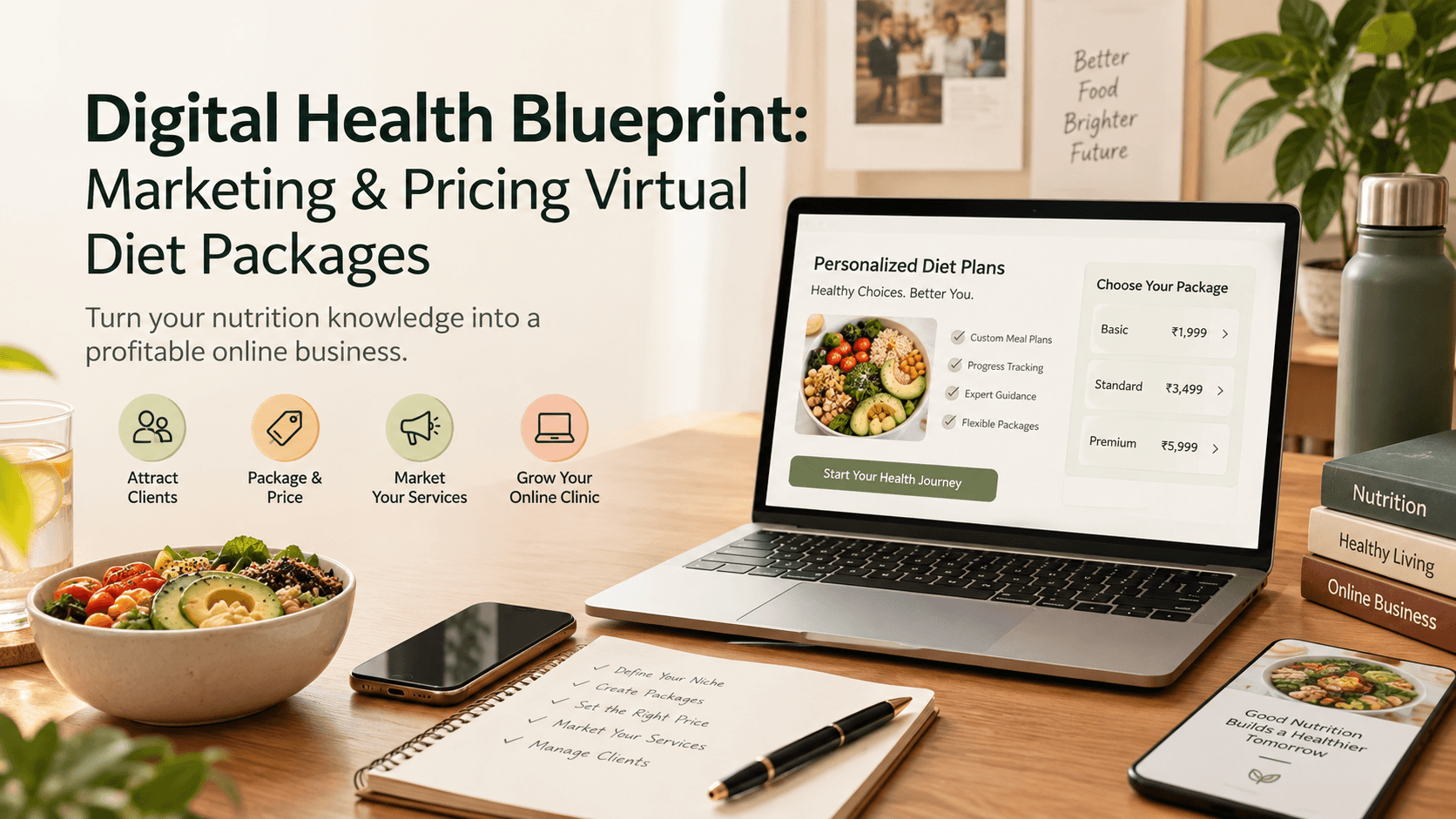
Use the final week to organize the practical side of your business. Decide how you will schedule appointments, communicate with clients, collect relevant information, and deliver educational resources. Establish clear service boundaries, pricing, cancellation policies, and privacy practices before accepting clients.
Consider offering an introductory session or a clearly defined educational service that matches your training. Ask for feedback to improve your communication and workflow, while obtaining permission before sharing any client testimonials or personal information.
The goal of the first 30 days is to build a foundation, not to guarantee a particular income or a fully established business. Your progress will depend on your learning, available time, qualifications, market demand, and ability to build professional relationships.
How Can You Monetize Your Nutrition Skills?
Once you have the necessary training and are ready to provide services within your professional scope, several business models may be worth exploring:
- Online nutrition education: Create educational sessions, workshops, and resources about balanced eating and everyday food choices.
- Meal-planning support: Help suitable clients organize meals around their preferences, routines, and general wellness goals.
- Freelance wellness content: Write nutrition articles, develop educational social media posts, or create resources for health and fitness businesses.
- Fitness and wellness collaborations: Work with qualified fitness professionals to provide complementary services within each professional's scope.
- Digital resources: Develop grocery lists, meal-planning templates, and general nutrition guides that are accurate, practical, and easy to use.
Your income will depend on the services you offer, your experience, client demand, pricing, and the time you can dedicate to the business. Start with a manageable service offering, evaluate feedback, and expand gradually as your skills and client base develop.
Build Trust Through Responsible Client Care
Trust is essential in a nutrition business. Listen carefully to clients, respect their food preferences, and provide realistic guidance rather than promoting extreme diets or quick fixes. Protect personal information and communicate clearly about what your services can and cannot provide.
If a client has a medical condition, complex dietary needs, or requires therapeutic nutrition care, refer them to an appropriately qualified healthcare professional when the request falls outside your scope. Responsible practice protects both your clients and your professional reputation.
Start Small, Learn Consistently, and Grow with Confidence
A flexible nutrition business does not have to begin with a large investment or a complicated business plan. It can start with structured learning, practical skill development, a clear service idea, and consistent effort. By using your first 30 days to build knowledge and prepare your professional presence, you can take meaningful steps toward exploring a remote career in nutrition.
Explore the practical nutrition programs available through the NHHA App to learn more about nutrition education, meal planning, and consultation skills. Choose a program that aligns with your career goals, understand the qualifications required for your intended services, and build your business one responsible step at a time.
Enroll now and book your seats
Filed under
- home business
- freelance nutrition
- housewife career
- online dietitian
- nhha app