Nutrition
The Brain-Gut Connection: How Microbes Control Mood, Weight, and Energy
- By
- NHHA Editorial
- Published
- Reading time
- 5 min
Unpack the gut-brain axis, probiotic science, and how digestive flora impacts energy, immune strength, and mental focus.
The Brain-Gut Connection: How Microbes Control Mood, Weight, and Energy
Discover the Hidden Microbiome System
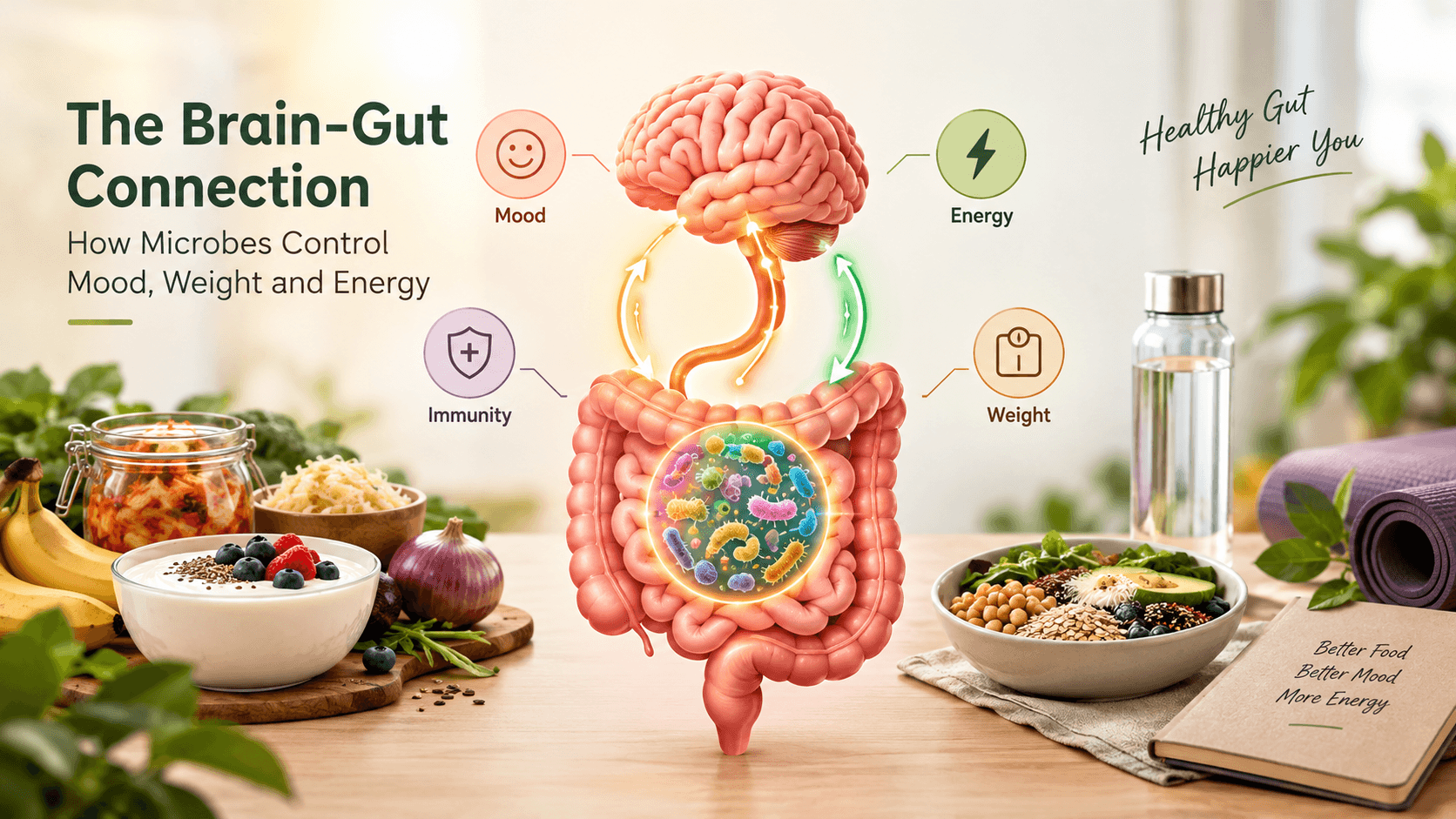
Have you ever wondered why your stomach feels unsettled when you are stressed, or why your energy and mood sometimes change depending on what you eat? The answer may lie in the fascinating connection between your gut and your brain. Known as the gut-brain axis, this communication network connects the digestive system with the brain through nerves, hormones, immune signals, and chemical messengers.
Your gut is home to trillions of microorganisms, including bacteria, fungi, and other microbes, collectively known as the gut microbiome. These microorganisms play an important role in breaking down certain foods, supporting nutrient absorption, producing beneficial compounds, and helping regulate immune function. A balanced and diverse gut microbiome can contribute to overall well-being, while disruptions in the microbial community may be associated with digestive discomfort and other health concerns.
How Gut Microbes Influence Mood and Mental Focus
The relationship between gut health and mental well-being is one of the most exciting areas of modern nutrition science. Gut microbes can produce or influence substances involved in communication between the digestive system and the nervous system. They also interact with pathways associated with stress responses and inflammation.
Although the gut produces many substances involved in nervous system signalling, this does not mean that neurotransmitters produced in the gut directly enter the brain. Instead, communication happens through several interconnected pathways, including the vagus nerve, immune signalling, hormones, and microbial metabolites.
Research suggests that the gut microbiome may be associated with mood, stress regulation, and cognitive function. However, these relationships are complex, and scientists are still investigating how specific microbes influence mental health in humans. Gut-friendly eating habits can support general health, but they should not replace professional care for persistent anxiety, depression, or other mental health concerns.
The Connection Between Gut Health, Weight, and Energy
Your gut microbiome also participates in the way your body processes food and extracts energy from certain dietary components. Some beneficial bacteria ferment dietary fibre that the human digestive system cannot fully break down, producing short-chain fatty acids that support the intestinal lining and contribute to metabolic and immune functions.
The composition of the gut microbiome may be associated with how the body regulates appetite, stores energy, and responds to different foods. However, body weight is influenced by many factors, including overall dietary patterns, physical activity, sleep, genetics, hormones, and environmental conditions. No single bacterium or probiotic can guarantee weight loss.
Gut health can also influence how energetic you feel. Digestive problems, inadequate nutrition, dehydration, and poor sleep may contribute to fatigue. A varied diet containing fibre-rich foods, adequate protein, healthy fats, vitamins, and minerals helps provide the nutrients your body needs to function effectively.
Feeding Your Gut Microbes: Prebiotics and Probiotics
One of the practical ways to support a healthy gut microbiome is through a diverse, balanced diet. Two important concepts in gut nutrition are prebiotics and probiotics.
Prebiotics are substances, often specific types of dietary fibre, that beneficial microorganisms can use. Foods such as onions, garlic, oats, beans, lentils, bananas, and other plant foods can help provide these nutrients.
Probiotics are live microorganisms that provide a health benefit when consumed in adequate amounts. Certain fermented foods, including yoghurt with live cultures, may provide beneficial microorganisms. Other fermented foods can also be part of a balanced diet, although not every fermented food contains proven probiotic strains.
Including a variety of vegetables, fruits, whole grains, legumes, nuts, and seeds can support microbial diversity. Fermented foods may complement this approach, while adequate hydration and regular physical activity contribute to digestive health. Increasing fibre gradually can help reduce gas and bloating, particularly for people who are not accustomed to eating fibre-rich foods.
It is also important to understand that probiotic effects are strain-specific. A supplement that helps with one digestive concern may not provide the same benefit for another. Probiotic supplements are not necessary for everyone, and people with certain medical conditions should consult a qualified healthcare professional before using them.
Practical Habits for Better Gut Health
Supporting your gut microbiome does not require an expensive supplement routine or a restrictive diet. Consistent everyday habits can make a meaningful contribution to digestive and overall health.
- Eat a variety of plant foods: Different plant foods provide different fibres and nutrients that help support a diverse microbial community.
- Include fermented foods if suitable: Yoghurt with live cultures and other fermented foods can complement a balanced diet.
- Stay hydrated: Adequate fluid intake supports normal digestion and helps fibre do its job.
- Maintain regular physical activity: Exercise supports general metabolic health and may also influence the gut microbiome.
- Prioritise quality sleep: Consistent sleep habits support normal physiological processes, including those involved in digestion and stress regulation.
- Manage stress: Relaxation techniques, enjoyable activities, and regular routines may help reduce the impact of stress on digestive symptoms.
- Avoid unnecessary restrictive diets: Eliminating entire food groups without a clear reason may reduce dietary variety and make it harder to meet nutritional needs.
If digestive symptoms are persistent, severe, or accompanied by unexplained weight loss, blood in the stool, or ongoing changes in bowel habits, seek medical advice rather than relying solely on dietary changes.
Building Evidence-Based Knowledge of Gut Nutrition
Understanding the brain-gut connection requires more than following popular wellness trends. It involves learning how microorganisms interact with digestion, immune responses, metabolism, and the nervous system, while recognising the difference between established scientific findings and emerging research.
Through NHHA Academy, learners can explore the fundamentals of the gut microbiome, the role of prebiotics and probiotics, the importance of dietary diversity, and the science behind the gut-brain axis. This knowledge can help students, health enthusiasts, and aspiring nutrition professionals develop a stronger foundation in evidence-based nutrition.
The gut microbiome is a complex ecosystem, and there is no single diet that works perfectly for everyone. By understanding its functions and adopting sustainable eating habits, you can make more informed decisions about digestive health and overall well-being.
The key takeaway: Your gut and brain communicate continuously, and the microbes living in your digestive system contribute to this relationship. A balanced, varied diet and healthy lifestyle habits can support gut health, while continued scientific research is helping us understand the full impact of the microbiome on mood, energy, immunity, and metabolism.
Enroll now and book your seats
https://learn.nhha.in/nutration-lp/
Filed under
- gut microbiome
- immune nutrition
- brain gut axis
- digestive health