Nutrition
Revenue Doublers: Adding Custom Meal Plans to Personal Coaching
- By
- NHHA Editorial
- Published
- Reading time
- 6 min
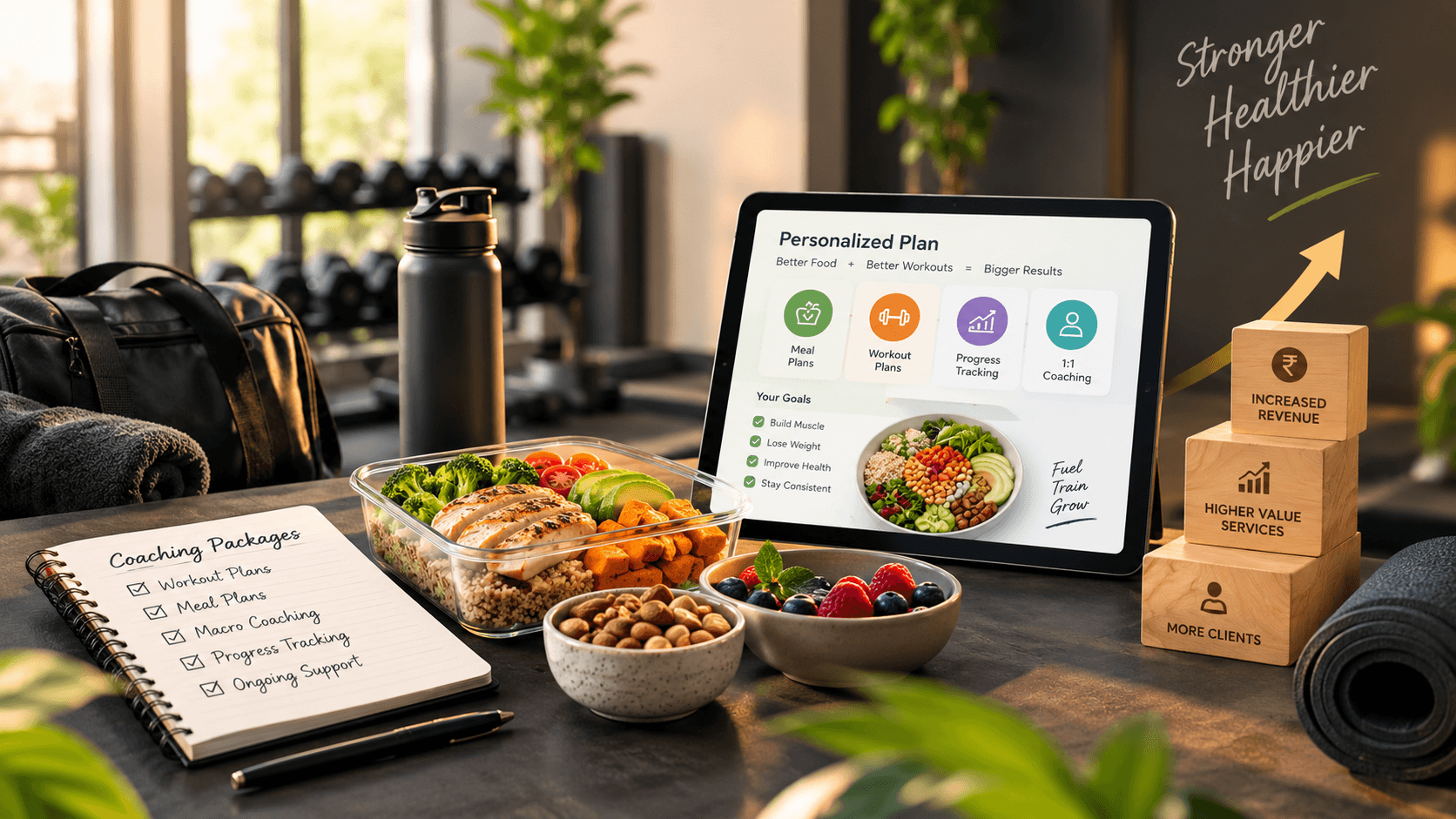
Discover how gym trainers, coaches, and creators scale workout packages by adding personalized diet charts and macro coaching.
Revenue Doublers: Adding Custom Meal Plans to Personal Coaching
Stop Offering Free Advice: Monetize Your Skill Set
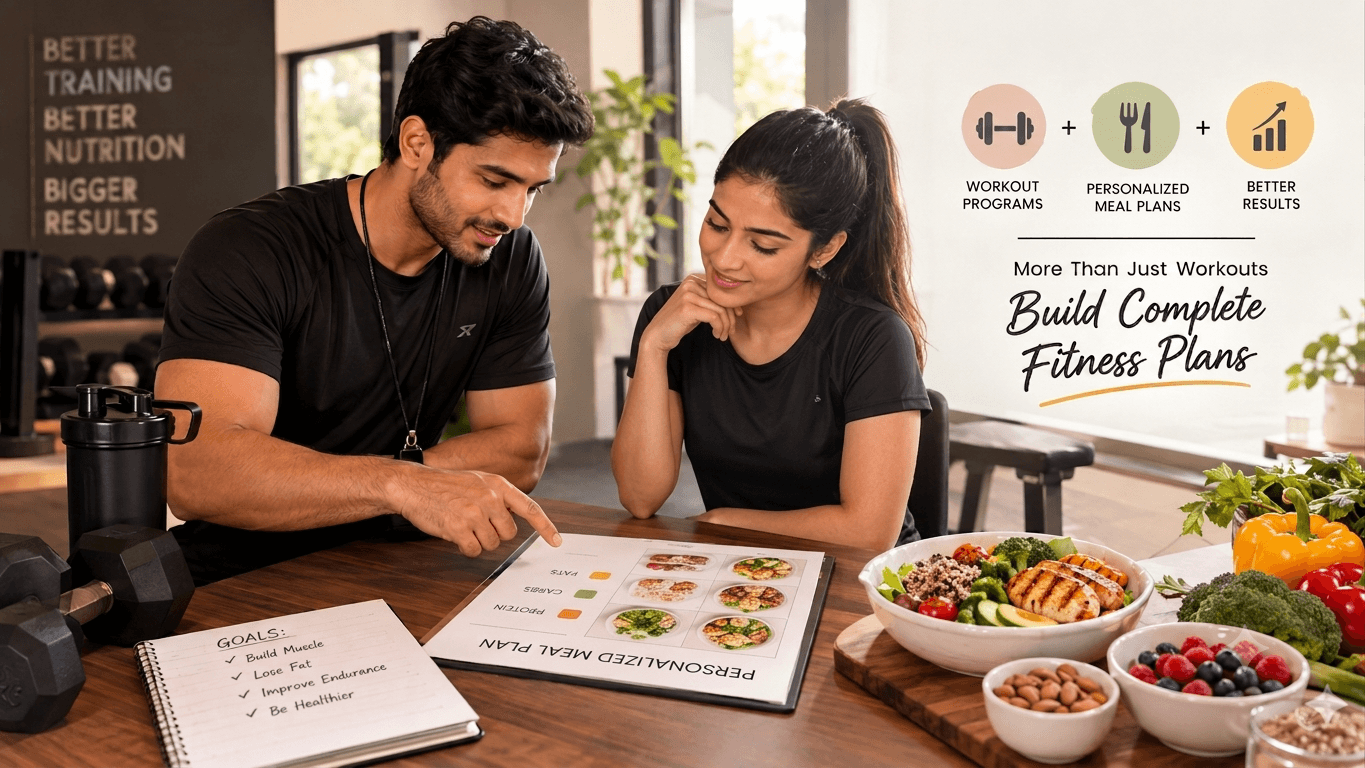
In today’s competitive fitness industry, clients expect more than workout routines and exercise demonstrations. They want a structured approach that helps them work toward their fitness goals, improve their eating habits, and maintain consistency. For gym trainers, personal coaches, and fitness influencers, combining workout programs with personalized nutrition guidance can create opportunities to deliver greater value and develop additional revenue streams.
Instead of offering only workout packages, fitness professionals can expand their services by incorporating customized meal plans, macro coaching, and nutrition education within their professional scope of practice. This approach can help coaches create more comprehensive programs that address both exercise and everyday food choices.
1. Why Workout Plans Alone May Not Be Enough
Exercise plays an important role in improving fitness, building strength, and supporting overall health. However, clients may struggle to achieve their goals when their eating habits, recovery routines, and training schedules are not aligned.
For example, a client aiming to build muscle may need a structured resistance-training routine alongside adequate energy and protein intake. Similarly, someone working toward weight management may benefit from a sustainable exercise program and balanced eating habits.
By offering a more integrated coaching experience, trainers can help clients understand how different lifestyle factors work together. This makes the service more valuable than simply sharing a workout PDF or conducting occasional training sessions.
2. Turn Nutrition Knowledge Into a Professional Service
Personalized nutrition planning can become an additional service within a fitness business when it is supported by appropriate education, qualifications, and professional boundaries.
Depending on their training and local regulations, fitness professionals can consider offering services such as:
- Customized meal-planning support: Helping clients organize balanced meals around their preferences, schedules, and fitness routines.
- Macro education: Explaining protein, carbohydrates, and fats and how these nutrients contribute to energy, performance, and recovery.
- Food tracking guidance: Teaching clients how to record meals and recognize patterns in their daily eating habits.
- Habit-based nutrition coaching: Helping clients build practical routines around meal timing, hydration, and food preparation.
- Progress monitoring: Reviewing training consistency, recovery, and agreed-upon lifestyle goals to adjust coaching strategies.
Trainers should work within their qualifications and applicable regulations. Medical nutrition therapy and individualized dietary treatment for health conditions should be handled by appropriately qualified professionals, such as registered dietitians or other authorized nutrition practitioners.
3. Understand the Science Behind Personalized Meal Plans
Effective nutrition coaching requires more than preparing a generic diet chart. A well-designed approach considers the client's goals, activity levels, food preferences, daily schedule, and individual needs.
Basal Metabolic Rate (BMR)
Basal Metabolic Rate refers to the energy the body uses to maintain essential functions at rest. Understanding BMR introduces coaches to the relationship between energy requirements and overall nutrition planning.
However, BMR is not the same as total daily energy expenditure. Physical activity, exercise, and other daily movements also contribute to a person's overall energy needs.
Macronutrient Distribution
Macronutrients include protein, carbohydrates, and fats. Each plays a distinct role in supporting the body.
- Protein supports muscle maintenance and repair.
- Carbohydrates provide an important source of energy for exercise and daily activities.
- Fats support essential body functions and help with the absorption of fat-soluble vitamins.
The appropriate distribution varies according to the individual. Rather than following one fixed macro split for every client, coaches should understand how to interpret general nutrition principles and recognize when specialist guidance is required.
Nutrient Timing and Recovery
Meal timing can be considered alongside training schedules, personal preferences, and recovery needs. For example, clients may find it helpful to plan meals and snacks around workouts to support energy and recovery.
Nutrition advice should remain practical and evidence-based instead of promising instant transformations or relying on restrictive eating strategies.
4. Create Premium Coaching Packages
Once trainers develop the relevant skills and establish clear service boundaries, they can organize their offerings into structured packages. This makes the service easier for clients to understand and gives coaches a clearer way to communicate the value of their work.
Possible package structures include:
Starter Fitness Package: Workout planning, goal setting, and basic nutrition education.
Personalized Coaching Package: Workout programming, food-habit tracking, regular progress reviews, and individualized nutrition support where appropriately qualified.
Premium Transformation Support: Ongoing coaching, workout adjustments, structured check-ins, progress tracking, and collaboration with a qualified nutrition professional when specialized dietary support is needed.
The pricing of each package should reflect the time required, level of personalization, frequency of support, professional qualifications, and local market conditions. Trainers should avoid promising that adding meal plans will automatically double their income; the actual results depend on client demand, service quality, costs, and retention.
5. Use Digital Tools to Improve Client Management
Managing multiple clients through scattered messages and spreadsheets can become difficult as a coaching business grows. Digital tools can help trainers organize information, maintain consistency, and deliver a smoother client experience.
Useful features may include:
- Digital workout and nutrition-plan delivery.
- Food, activity, and progress tracking.
- Client onboarding questionnaires.
- Scheduled check-ins and progress reviews.
- Clear records of goals, preferences, and agreed-upon adjustments.
For fitness professionals, a well-organized digital workflow can reduce repetitive administrative tasks and create more time for meaningful client interactions. Any platform used should also handle personal information responsibly and obtain appropriate consent for data collection.
6. Build Trust Through Education and Transparency
Long-term client relationships depend on trust, realistic expectations, and consistent support. Trainers should explain what their packages include, how progress will be evaluated, and what clients can reasonably expect from the service.
Avoid guaranteed weight-loss claims, misleading before-and-after promotions, or restrictive diet recommendations that are unsuitable for individual clients. Instead, focus on sustainable habits, measurable progress, and the importance of consistency.
Fitness influencers can also use educational social media content to demonstrate their expertise. Examples include explaining common protein misconceptions, showing how to structure a balanced meal, or discussing the relationship between recovery and training performance. Educational content can help potential clients understand the value of professional coaching without relying entirely on free, individualized advice.
7. Upskill With NHHA to Expand Your Opportunities
For gym trainers, fitness coaches, and health-focused content creators, developing a stronger foundation in nutrition can open up opportunities to enhance existing services. Learning about meal planning, macronutrients, energy requirements, and client communication can help professionals deliver more informed guidance within their scope of practice.
NHHA's nutrition education and certification programs can be explored by professionals looking to strengthen their knowledge and develop relevant practical skills. Before enrolling, review the curriculum, practical training, assessment process, and the exact scope of any certification.
The goal is not simply to add another service to a price list. It is to build the knowledge needed to offer a more structured, responsible, and valuable coaching experience.
Conclusion: Build a More Valuable Fitness Business
Combining fitness coaching with appropriate nutrition support can help trainers, gym coaches, and fitness creators expand their service offerings and differentiate themselves in a competitive market. By understanding nutrition fundamentals, creating clearly defined packages, using digital tools, and maintaining professional boundaries, coaches can build services that better address their clients' needs.
The opportunity lies in turning your existing fitness expertise into a more comprehensive coaching experience. With continued learning, transparent pricing, and a client-first approach, you can work toward building a sustainable business while helping clients develop healthier, more consistent habits.
Enroll now and book your seats
Filed under
- Gym trainer income
- fitness influencer
- diet monetization
- macro planning